
Long Hairstyles for Women Over 50, How to Keep Length and Choose the Right Shape

Long hair does not have an age limit. The better question after 50 is whether your current haircut gives you the shape, movement and manageability you want.
If the ends look thin, a stronger outline may work better than adding layers. If your hair feels heavy, long blended layers can create movement without giving up much length. Natural waves, curls, gray hair and straight styles can all look beautiful when the cut respects their texture.
The goal is not to find a hairstyle that makes you look younger. It is to choose long hair that feels like yours and works on an ordinary morning, not just when a stylist has finished a blowout.
Choose your best length and silhouette first

The most useful starting point is the shape your hair makes when you wear it down.
Look at your hair after washing and drying it the way you normally do. Then check the outline from the front, side and back. Pay attention to where it looks full, where it becomes thinner and how it falls around your face.
Three details make a bigger difference than your age.
Hair density: This describes how much hair grows on your scalp. Someone with fine individual strands can still have plenty of hair, while someone with thicker strands may have lower overall density.
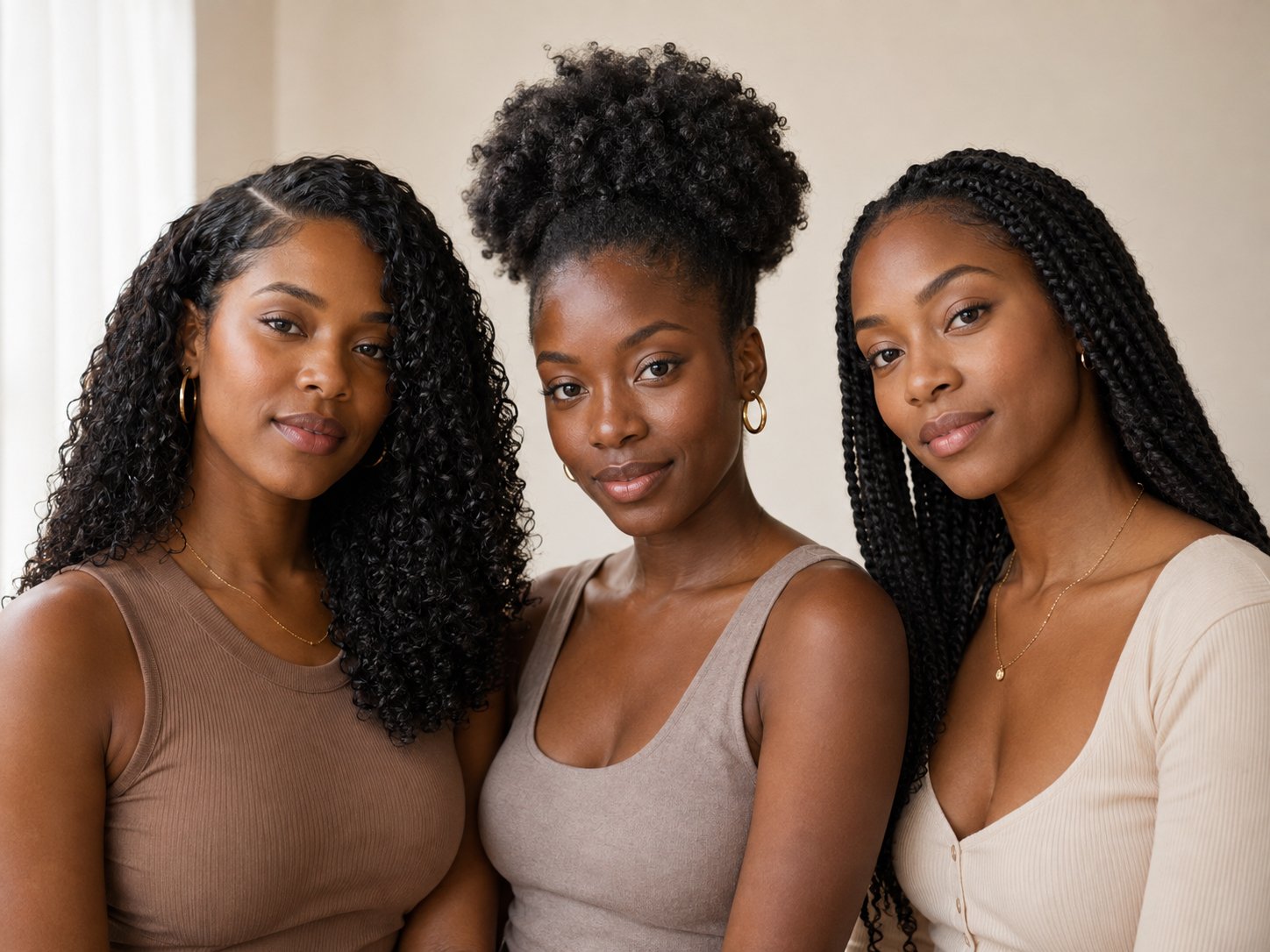
Natural texture: Straight hair shows its cutting line clearly. Wavy hair creates movement through bends. Curly and coily hair can look shorter when dry because the strands contract into their natural pattern.
The condition of the ends: Long hair that remains substantial through the last few inches offers more layering options than hair with visibly scattered or fragile ends.
Length is personal, too. A cut that sits a few inches below your shoulders may be the most convenient choice if you regularly wear your hair up. Mid back length can work just as well if the ends remain in good condition and you enjoy the additional styling time.
Before choosing a dramatic haircut, decide which matters most: keeping the maximum length, creating movement, preserving fullness or making daily styling easier.
That choice should guide everything else.
Keep the ends full with a blunt or softly rounded cut
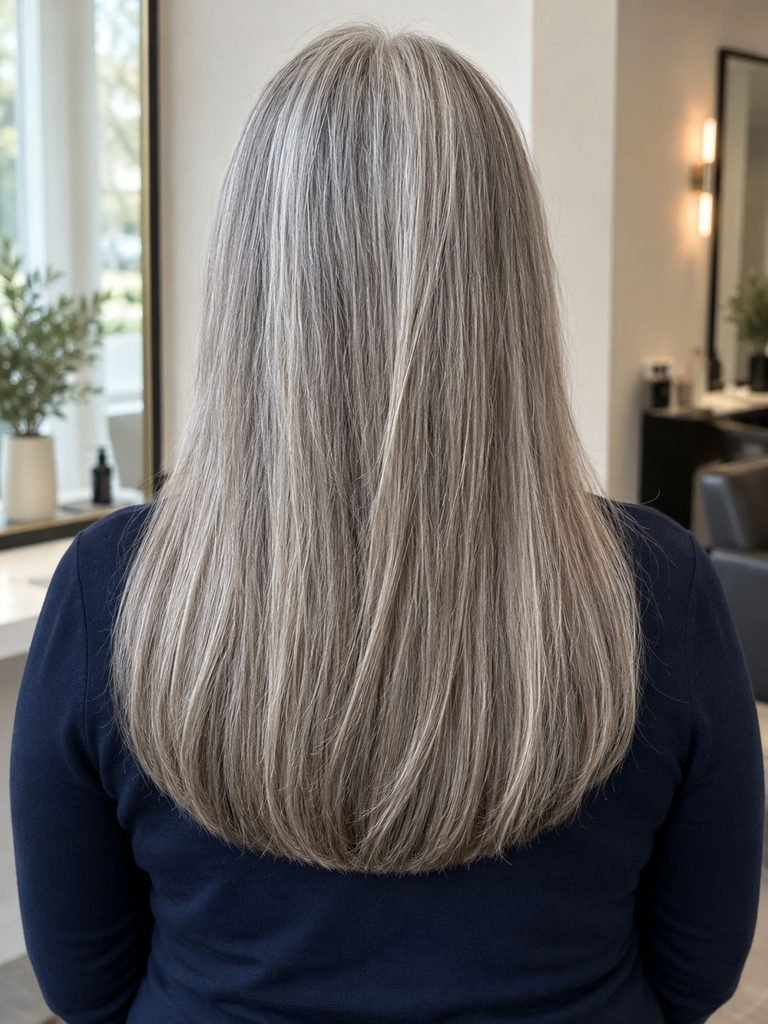
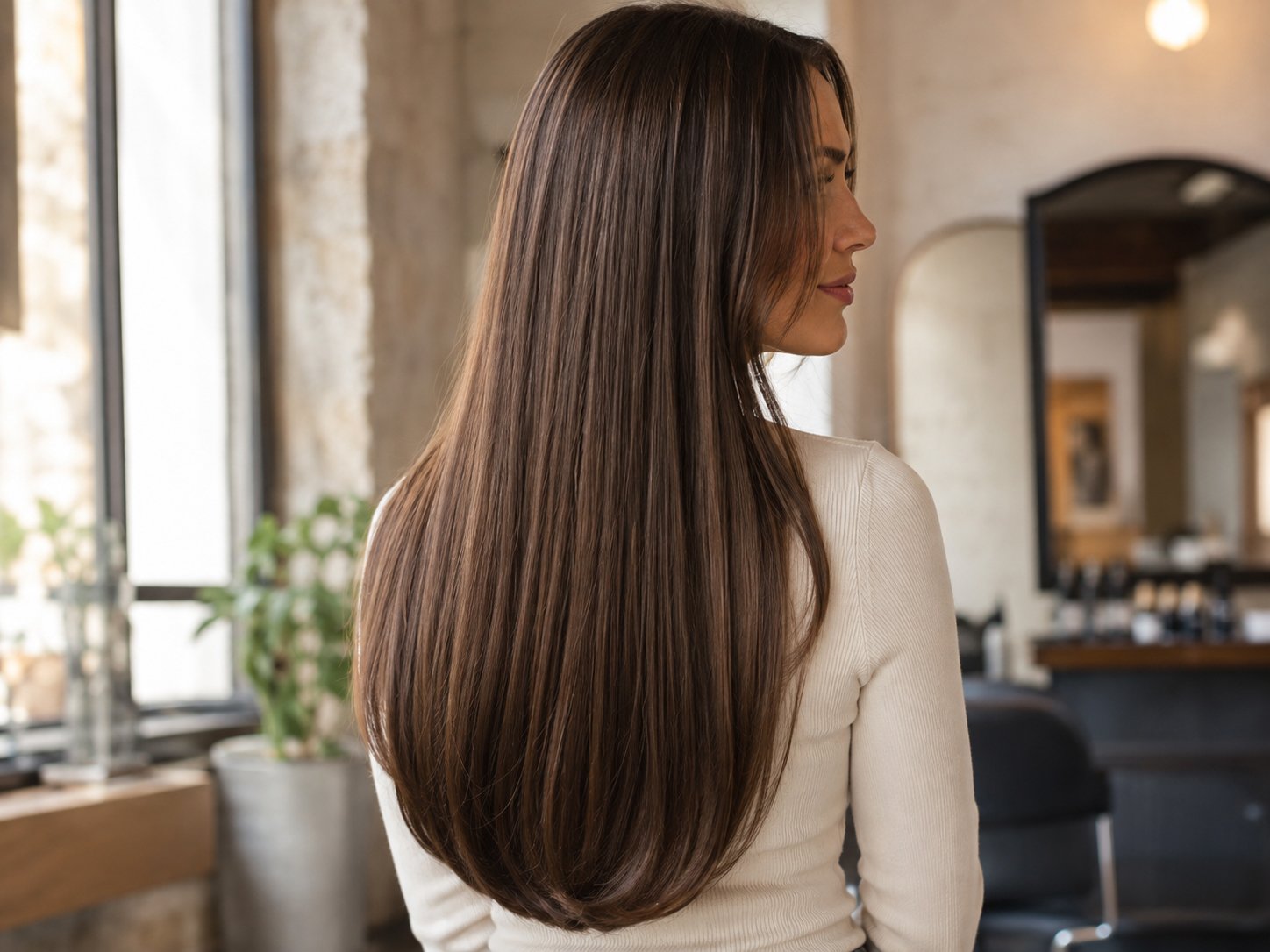
A nearly one length haircut or a shallow U shaped outline is a good starting point when you want long hair to look substantial at the bottom.
Instead of cutting several short layers into the length, the stylist keeps most of the hair ending around the same level. This creates a more defined outline.
A nearly one length cut works particularly well if you enjoy sleek straight hair, gentle waves or a simple ponytail. Its limitation is that hair with considerable density may feel heavy or less mobile.
A soft U shaped cut curves gradually toward the middle of the back. It can preserve a substantial lower edge while looking slightly less rigid than a straight line.
A shallow V shaped cut produces a more tapered center point. It can create an attractive flowing outline, although an exaggerated point may leave relatively few strands at the very longest section.
For hair with limited fullness at the ends, ask your stylist to maintain as much of the lower outline as possible. Do not automatically request texturizing or thinning simply because the style needs more movement.
If the bottom several inches already look noticeably sparse, a modest trim may create a cleaner silhouette than leaving every inch untouched.
Femorias’ guide to long hairstyles for fine hair explains how different cutting lines and layer placements influence the appearance of the ends.
Use long layers and face framing for movement
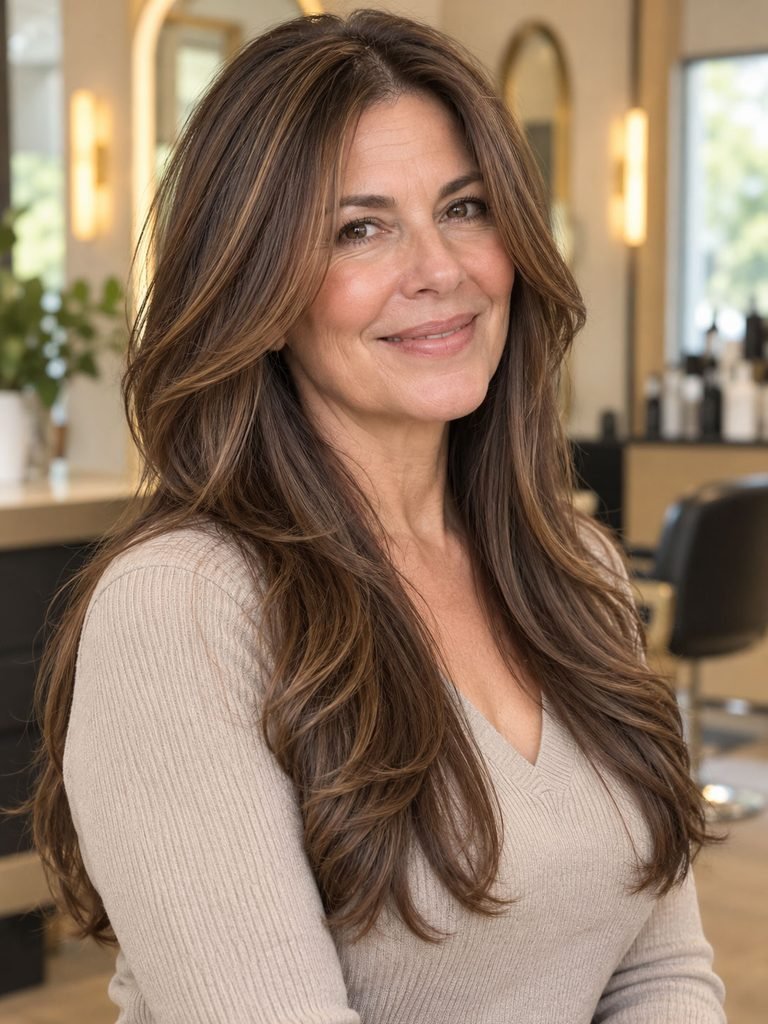
Long layers can give straight or wavy hair movement without requiring a shorter overall haircut. The key is deciding where the shorter pieces begin.
A gentle layered shape keeps the longest sections intact while removing some weight from selected areas. It can help dense hair move more freely and can prevent a long hairstyle from appearing completely flat.
The tradeoff is that every layer changes where some of your hair ends.
Soft long layers are useful when your hair has sufficient fullness but needs movement through the lower half.
Face framing layers create a visible change around the cheeks or jaw while leaving much of the back length untouched. They are an option if you want your haircut to look different from the front.
Butterfly inspired layers create more separation between shorter front sections and longer lengths. They can look dramatic after a round brush blowout, but they also require more styling to reproduce that lifted finish.
If your hair is naturally fine or has limited density, avoid copying a heavily layered photograph without checking how much hair would remain at the bottom.
Ask the stylist to show where the shortest section will end and how it will blend into the rest.
A good long layered haircut should still look intentional when the large salon curls have relaxed.
Work with your natural waves, curls and coils
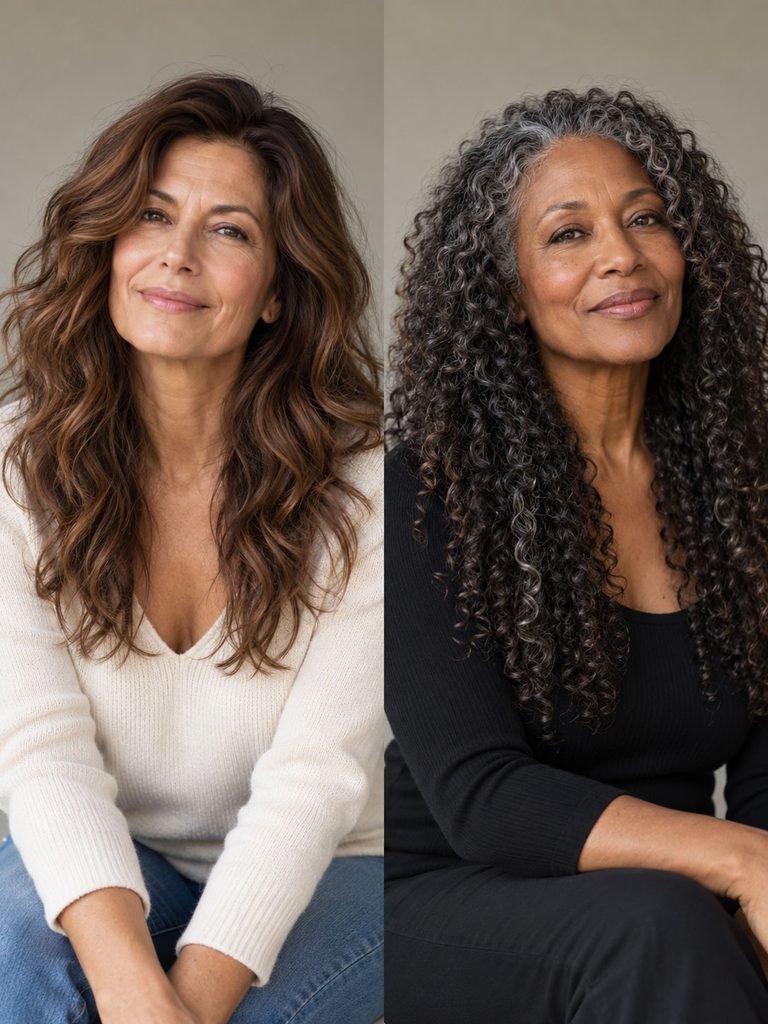
Natural texture is often the best starting point for a hairstyle that does not demand daily heat styling.
For loose waves, a long cut with modest layers can allow the hair to bend without forming one heavy block. The best layer placement depends on where the natural waves begin.
For defined curls, consider how much width you want through the sides and how the hair behaves when completely dry. Too little shaping can leave the silhouette bottom heavy on some curl patterns. Excessive layering can create unwanted width or shorten the visible shape on others.
Coily hair brings another consideration: shrinkage. A cutting length measured while the hair is stretched may look very different when the coils return to their natural shape.
Long wavy hair: Try gentle layers that work with the wave pattern rather than expecting every bend to fall in the same place.
Long curly hair: Consider a softly rounded silhouette with carefully distributed layers. The exact arrangement should reflect curl size and density.
Long coily hair: Discuss the final dry shape, shrinkage and detangling routine before removing substantial length.
Bring reference photographs showing the texture you actually wear. An image of a straightened or heavily defined salon style may not accurately represent the finished result on an ordinary day.
There is no requirement to straighten curls or loosen coils to make long hair appropriate after 50.
Wear long gray hair on your own terms
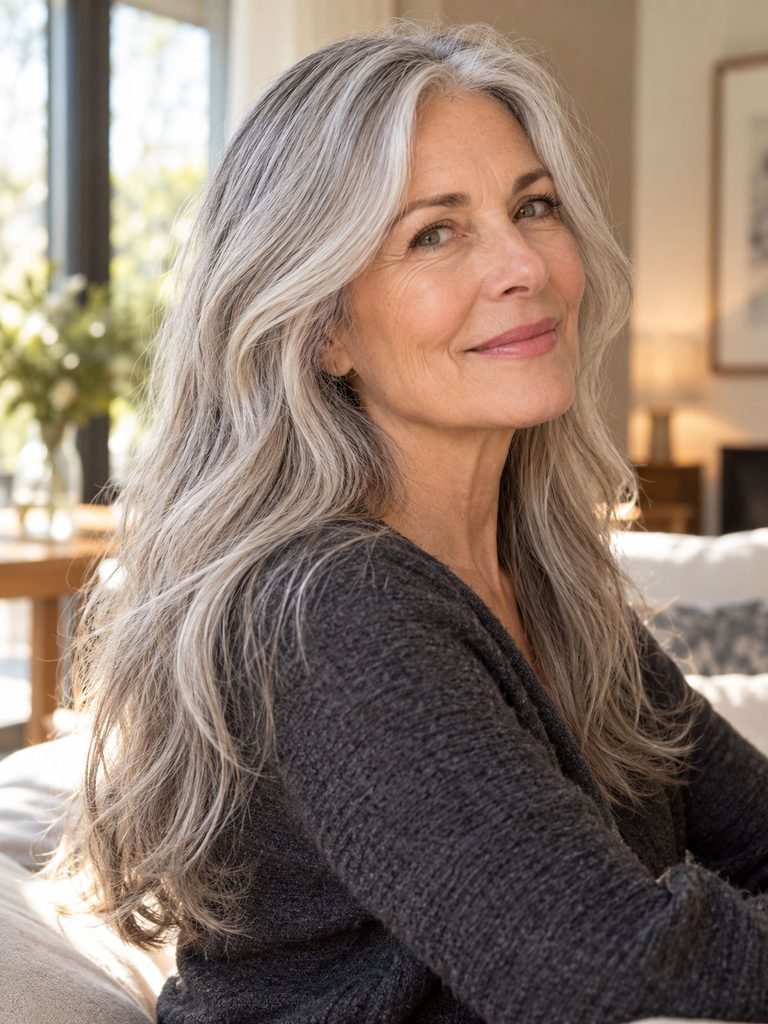
Gray hair can be worn long, straight, wavy, curly or coily. The color itself does not determine which haircut will suit you.
Some women notice changes in texture or manageability over time, while others find that their natural hair behaves much as it always has. There is no single gray hair texture.
For naturally straight silver hair, a clean cutting line can make the color variation and smooth surface stand out. Soft long layers may be useful when the hair has enough fullness to support additional movement.
For gray waves and curls, consider keeping the natural pattern visible rather than automatically smoothing everything into a polished blowout.
If you are transitioning from dyed hair, the difference between your natural roots and previously colored lengths can become a visual feature of the hairstyle. Gentle waves or loose updos may help you enjoy the transition without requiring an immediate major haircut.
Be cautious about assuming that every silver hairstyle needs purple shampoo, frequent toning or salon coloring. Product choices should respond to your actual color and hair condition rather than your age.
The most successful shape is the one that makes your long hair feel deliberate while respecting its natural characteristics.
Add bangs only if you want the upkeep

Bangs can change the appearance of long hair without removing the length at the back. They also add a separate styling commitment.
Curtain bangs open around the center of the forehead and blend toward the sides. They can work well with loose waves and layered hair, although the front sections may need help falling into place.
Wispy bangs create a lighter fringe across the forehead. Their appearance can change as the hair separates during the day, particularly on smooth straight hair.
Long side swept bangs can be a practical option for someone who wants a softer change and the ability to blend the fringe back while growing it out.
Before deciding, consider your natural part, hairline direction, forehead coverage preferences and whether you wear glasses.
Also check the amount of hair the stylist intends to use for the fringe. Taking too large a section can reduce the fullness available around the front sides of the haircut.
If your first priority is very low maintenance styling, longer face framing pieces may be a better starting point than a full fringe.
Make everyday styling easier with loose updos
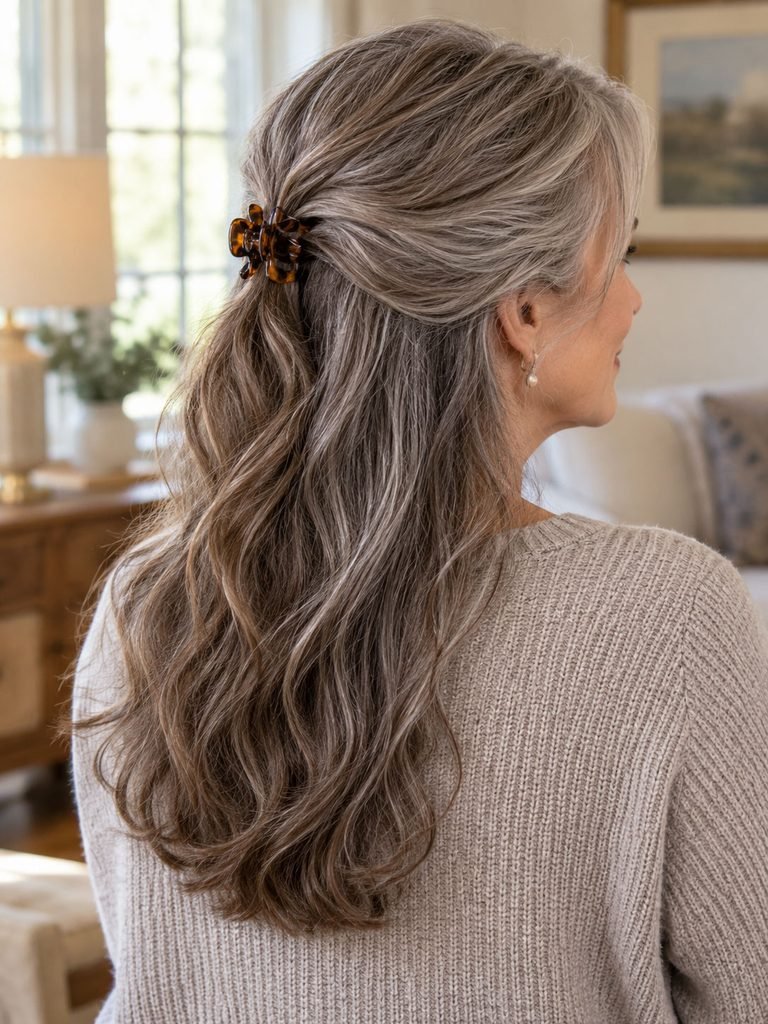
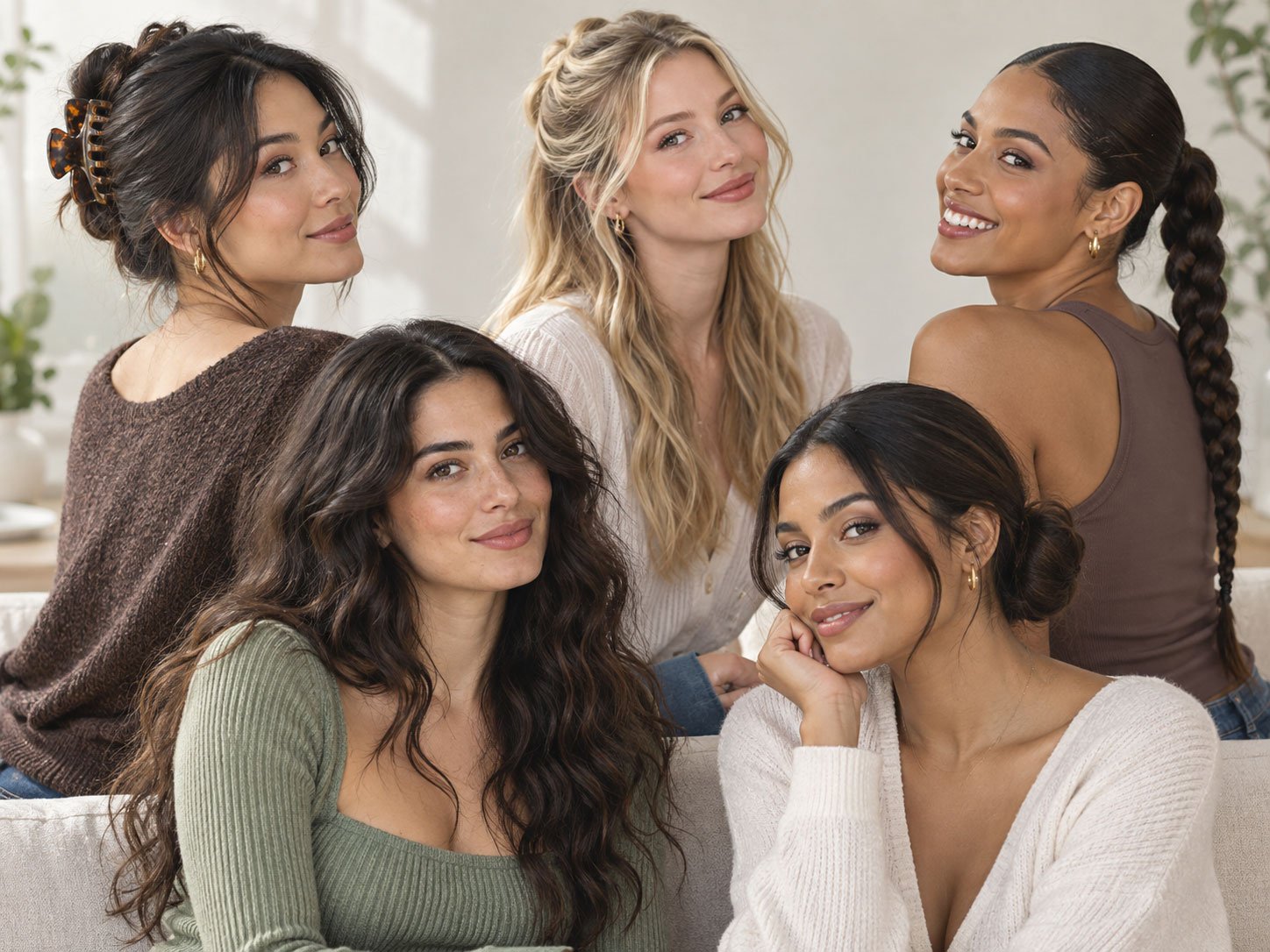
Keeping long hair does not mean wearing it down every day. Simple updos can change your look without changing your haircut.
A loose low ponytail is useful when you want the hair away from your face but still want to show its length. Leave the front relaxed rather than pulling every strand tightly backward.
A half up hairstyle can create some lift around the upper head while leaving the longer sections visible. It works especially well when a gentle clip can hold the upper section without pulling.
A loose braid controls longer lengths and can make the ends easier to manage. The braid should feel comfortable at the roots, not tight enough to cause pulling or tenderness.
A soft low bun can be practical for work or warmer weather, although it needs a secure accessory that matches your hair’s weight and texture.
For additional everyday styling options, Femorias’ comparison of 15 long hairstyles examines effort, hold and wearability.
You do not need to create a different elaborate hairstyle every morning. Two or three comfortable options that suit your hair are often more useful than a collection of complicated tutorials.
Bring the right questions to the salon

A useful salon consultation starts with what you want to keep, not just what you want to cut.
Bring photographs showing the front and back of hairstyles you like. If possible, include one picture of the hair in its natural texture rather than only after professional styling.
Tell your stylist what you normally do after washing your hair. A haircut that looks excellent after 30 minutes of round brush styling may not suit someone who prefers to air dry.
You can use specific requests such as:
- “I want to keep my length below my shoulders and make the outline look more intentional.”
- “Please show me where the shortest layers will fall before cutting.”
- “I like movement, but I don’t want my ends to become much thinner.”
- “Can we keep most of the fullness at the back and concentrate the change around my face?”
- “I usually air dry my hair. How will this shape look without a blowout?”
- “I want to keep wearing a ponytail. Which shorter sections might fall out?”
For curly or coily hair, ask how the final shape will look when dry and whether the stylist has experience cutting your texture.
If you are unsure about bangs or heavy layers, starting conservatively leaves more options for a future appointment.
The reference photograph is a starting point. Your natural hair, preferred length and styling routine should determine the final cut.
Protect your length without overworking your hair
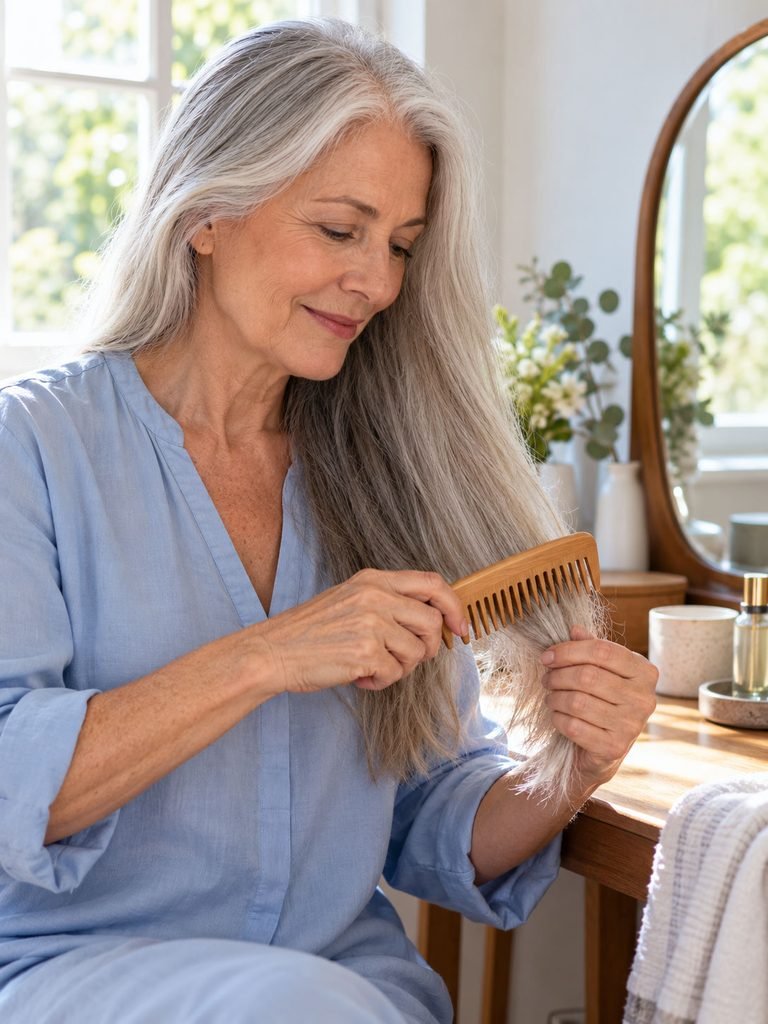
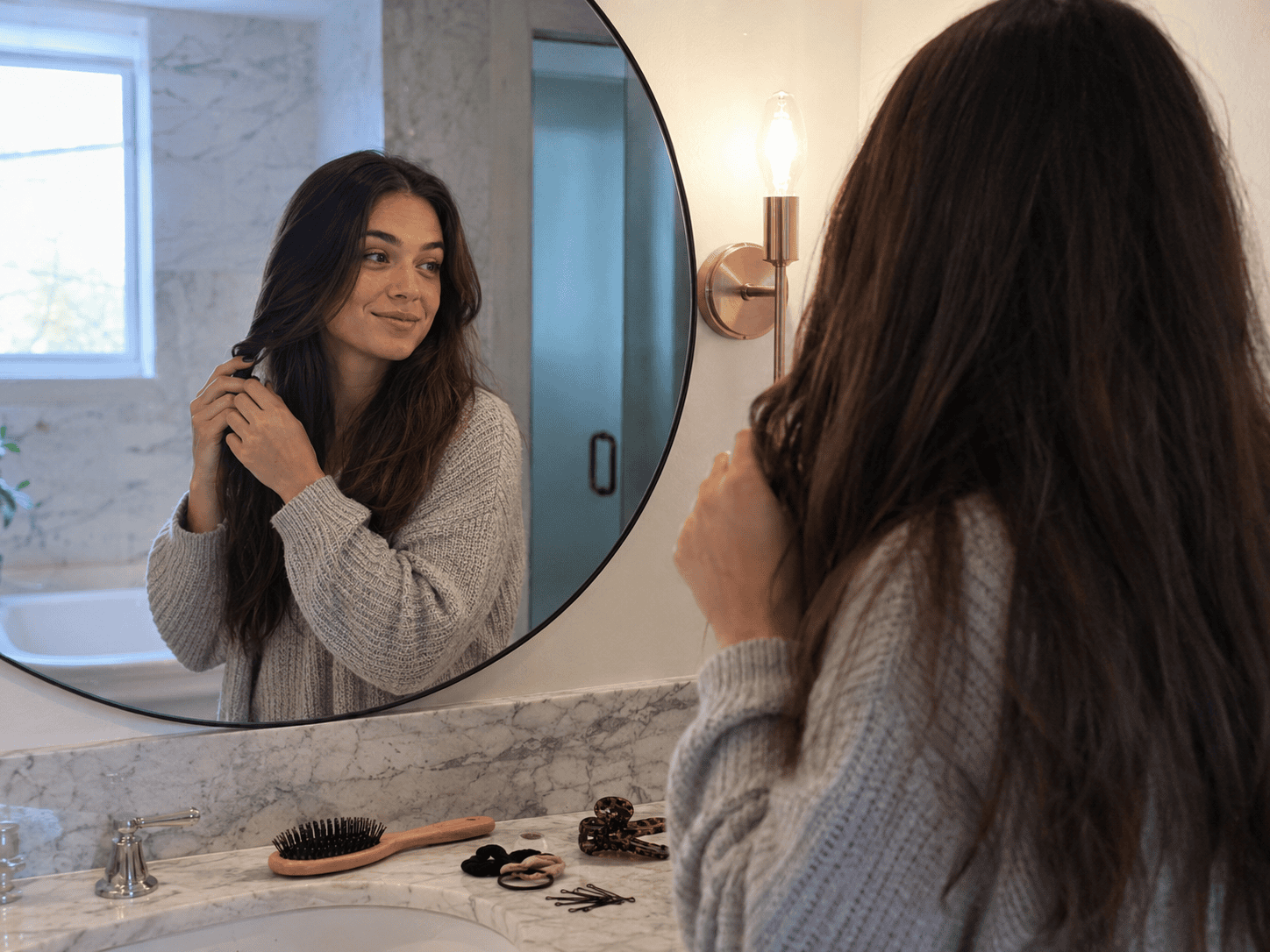
The best haircut is easier to enjoy when the hair is handled gently between appointments.
Long hair has more opportunity to become tangled or experience wear through repeated brushing, heat styling and friction. How much care you need depends on your actual hair type and routine.
The American Academy of Dermatology’s hair care recommendations advise conditioning after shampooing, treating tangles gently and reducing practices that lead to breakage.
For straight hair, allowing it to dry somewhat before gently combing may reduce unnecessary damage. For tightly curled or textured hair, careful detangling while damp can be more suitable.
Use conditioner according to the needs of your hair. Fine strands may become weighed down by heavy amounts of product, while drier curls may benefit from more conditioning and appropriate leave in care.
Heat styling also deserves consideration. The American Academy of Dermatology’s guidance on styling without damage recommends reducing excessive heat and avoiding hairstyles that repeatedly pull tightly on the hair.
That does not mean you must stop using every styling tool or wearing your hair up. It means giving the hair a break from unnecessary heat and tension where practical.
A haircut can change how hair looks, but it cannot treat a medical cause of hair loss.
Some women experience changes in hair growth or density around menopause, although not everyone does. Other causes of thinning are possible.
If you notice a widening part, a noticeably smaller ponytail, new bald patches or unusual ongoing shedding, do not assume that changing layers will solve it. Cleveland Clinic’s guidance on hair loss in women explains why a healthcare professional or dermatologist should evaluate concerning changes.
For ordinary cosmetic maintenance, focus on manageable habits: gentle washing, appropriate conditioning, comfortable hairstyles and periodic assessment of damaged ends.
Common questions about long hair after 50
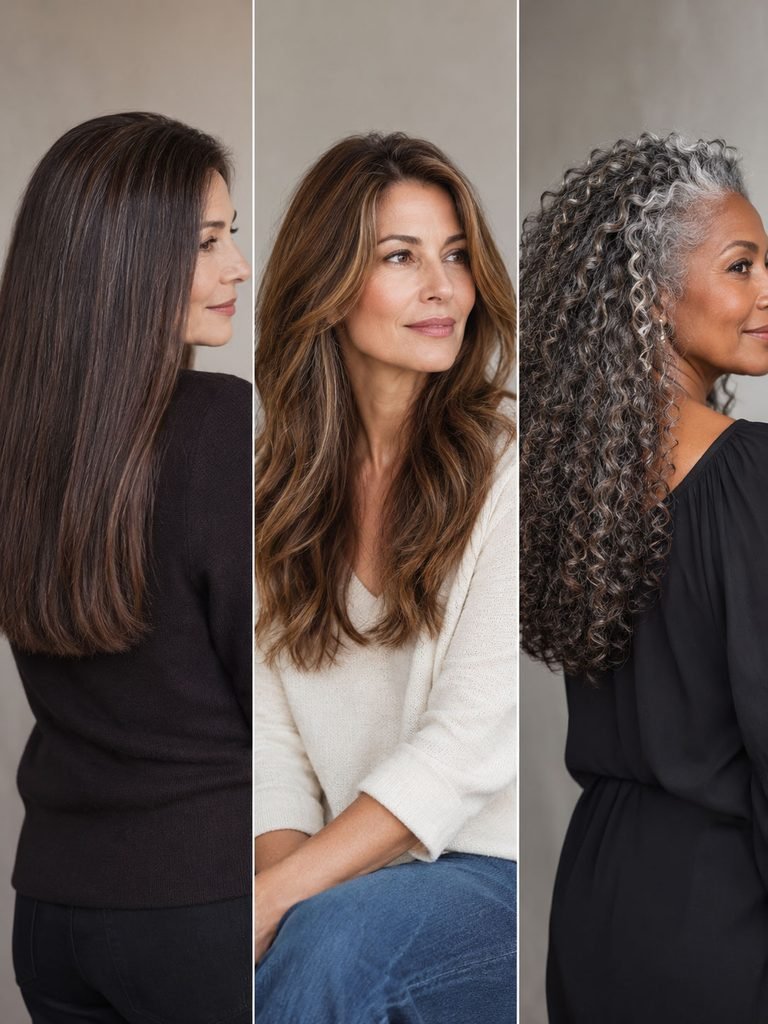
Can a woman over 50 wear very long hair?
Yes. There is no age based maximum length. Very long hair is a personal choice, although the condition of the ends, natural texture and time required for styling may influence how comfortable it is to maintain.
Do layers make long hair look thicker?
Layers can create movement and volume in selected areas, but they also remove weight from others. If your ends already look sparse, restrained layering or a stronger outline may give a more substantial appearance than extensive short layers.
Is long gray hair harder to maintain?
Not automatically. Gray describes hair color rather than a specific texture or density. Your care routine should respond to how dry, smooth, curly, fragile or dense your hair actually is.
What is the easiest long hairstyle for women over 50?
A nearly one length haircut, restrained long layers or a softly rounded cut may be relatively easy to manage when it suits the natural texture. For everyday styling, a loose low ponytail or half up look can be practical without requiring heat tools.
Should women over 50 get bangs?
Only if they like the appearance and are comfortable maintaining them. Curtain bangs, wispy fringe and longer side swept bangs create different effects. Consider how the fringe behaves with your natural part, hairline and usual styling routine before making the cut.
The best first change is usually the smallest one that solves the problem you actually notice.
If you want movement, consider modest long layers. If your ends need a stronger outline, preserve more weight at the bottom. If your current length feels right but the front needs interest, discuss gentle face framing.
Keep the length you enjoy and make the haircut work for you.