Braided Hairstyles for Special Occasions: 10 Looks for Weddings, Prom, and Formal Events

A special event braid has to do more than look good in one photograph. It should match the dress code, work with your actual length and texture, and stay comfortable through the ceremony, dinner, dancing, and everything in between.
For formal events, a low braided bun, crown braid, structured Dutch braid, or polished braided ponytail gives the cleanest finish. Half-up braids, fishtails, waterfall braids, and softer boho styles suit occasions where you want more movement. If you already wear box braids or cornrows, you can dress up the existing style without rebuilding your hair from scratch.
| Style | Best fit | Starting hair | DIY level | Main tradeoff |
|---|---|---|---|---|
| Low braided bun | Weddings, formal dinners, black tie events | Medium to long | Beginner to intermediate | Very long hair can make the center bulky |
| Half-up braid with waves | Wedding guests, graduation, prom | Medium to long | Beginner to intermediate | Loose lengths need more maintenance |
| Side fishtail braid | Cocktail events, dinners, weddings | Long | Intermediate | Slippery or heavily layered hair can loosen |
| Crown braid | Ceremonies, garden events, formal daytime occasions | Medium to long | Intermediate | Short layers can be difficult to secure |
| Dutch braid into low bun | Prom, formal evening events | Medium to long | Intermediate | Requires confident scalp braiding |
| Waterfall braid with curls | Prom, weddings, celebrations | Medium to long | Intermediate | The loose portion needs separate styling |
| Braided ponytail | Parties, dinners, modern formal looks | Medium to long | Beginner | A heavy high ponytail can pull at the base |
| Boho braid | Beach, garden, outdoor celebrations | Medium to long | Beginner to intermediate | Loose pieces naturally move during wear |
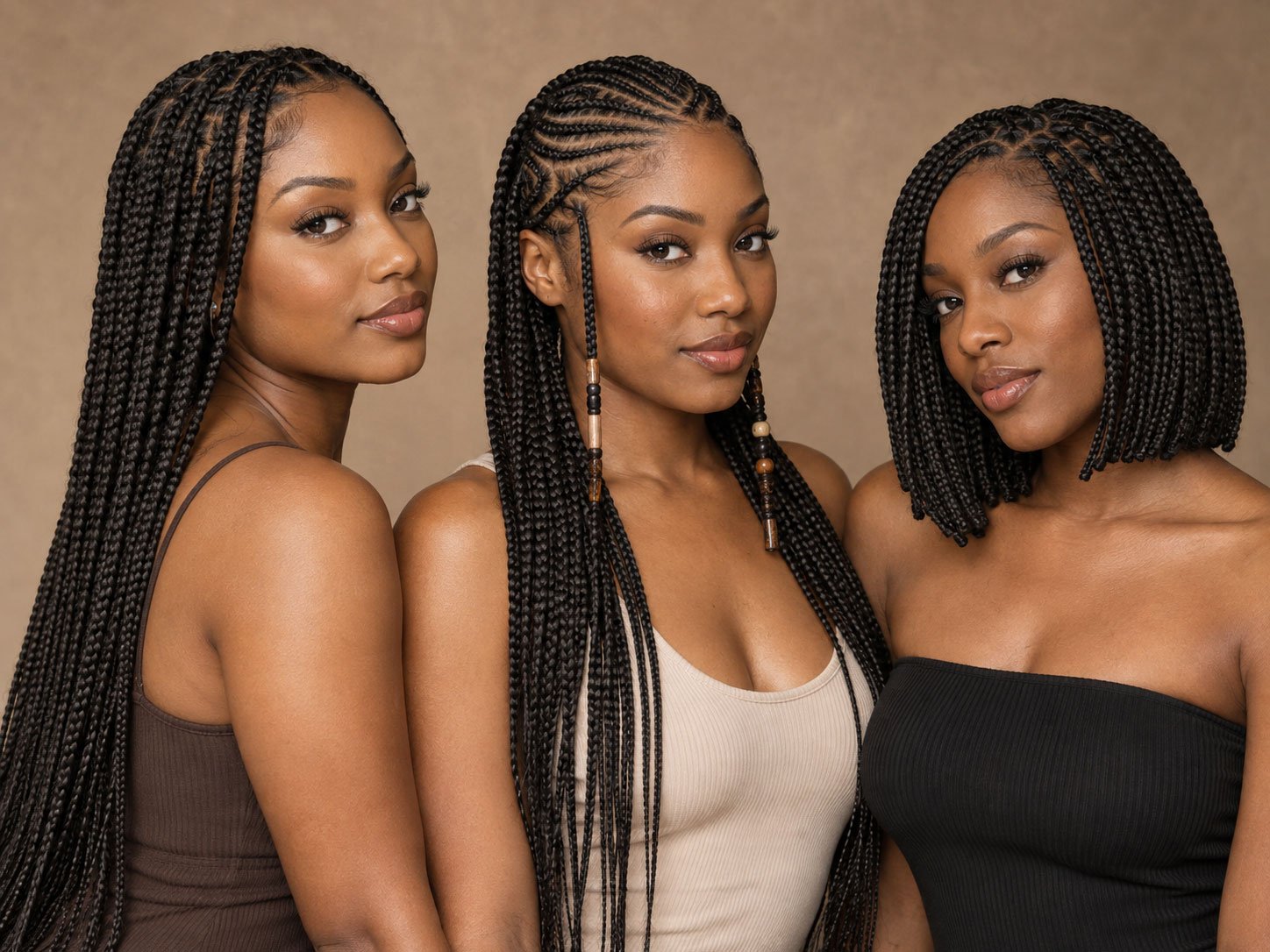
| Box braids in a bun | Weddings, parties, formal dinners | Previously installed braids | Easy restyling | Length and added hair can create weight |
| Cornrows into a bun or ponytail | Formal events, celebrations, dinners | Previously installed cornrows | Easy restyling | Installation should not rely on painful tension |
1. Low braided bun
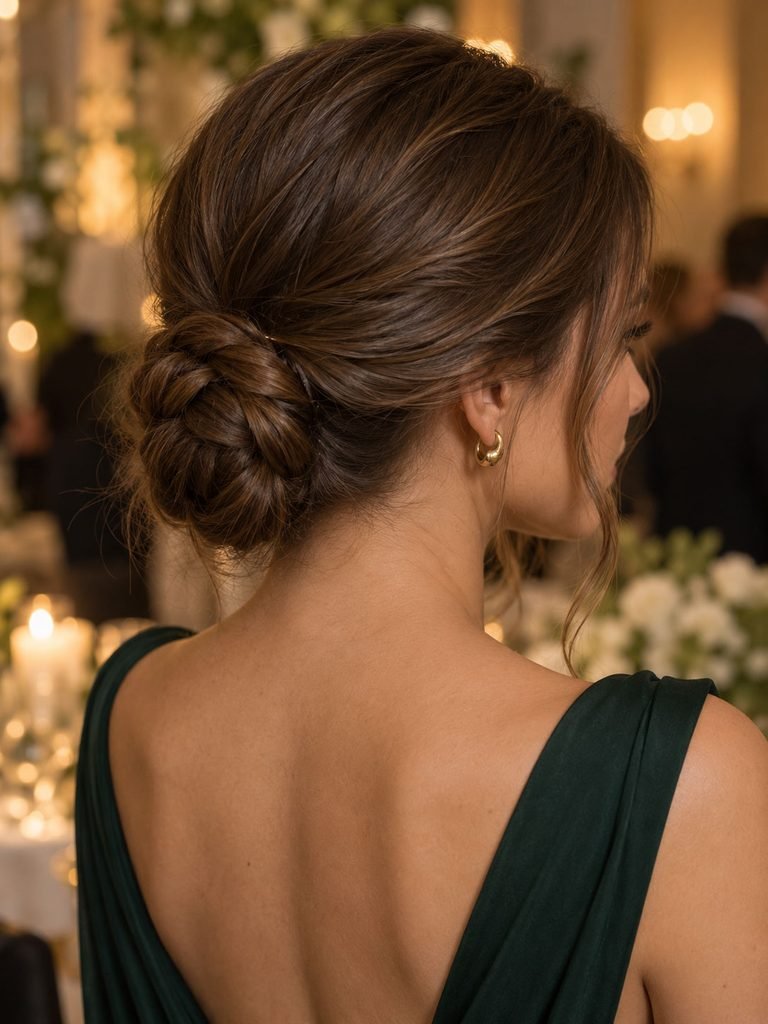
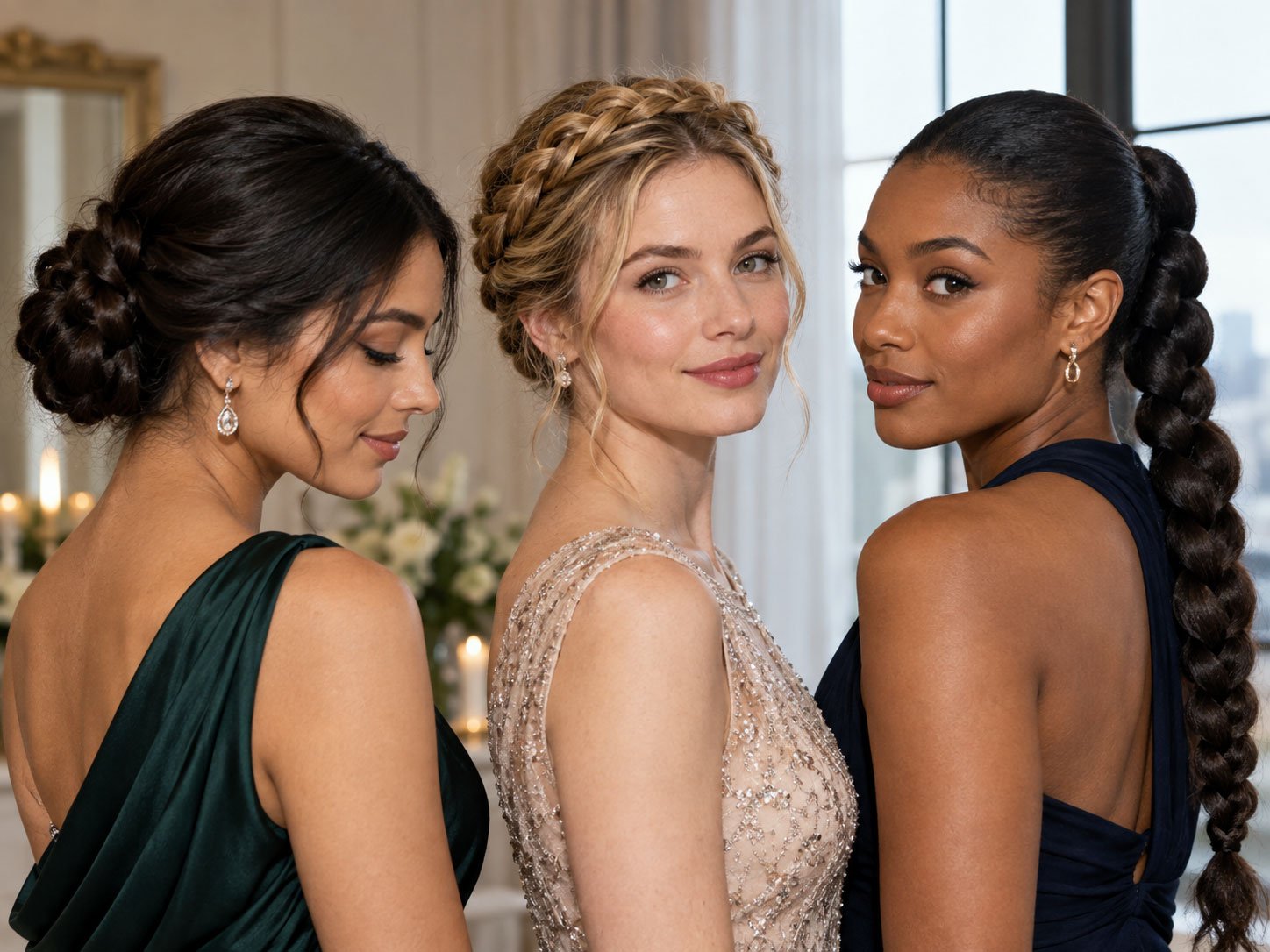
A low braided bun is the easiest place to start when the event is formal and you want the hair completely off your shoulders. The braid gives the bun visible structure, while the low placement tends to feel less dramatic than a high braided updo.
It works particularly well with high necklines, statement earrings, or dresses with detailed backs. Medium and long hair usually provide enough length to create the braid and wrap it around the base. Very long or thick hair may need a wider, flatter coil instead of stacking the entire braid in one compact knot.
You do not need to make the base tighter to make the bun look polished. A stable elastic and pins directed toward the center of the bun do more useful work. Femorias’ easy long hairstyles you can style at home includes a basic braided low bun sequence for readers who need the construction steps before adapting the look for an event.
2. Half-up braid with soft waves
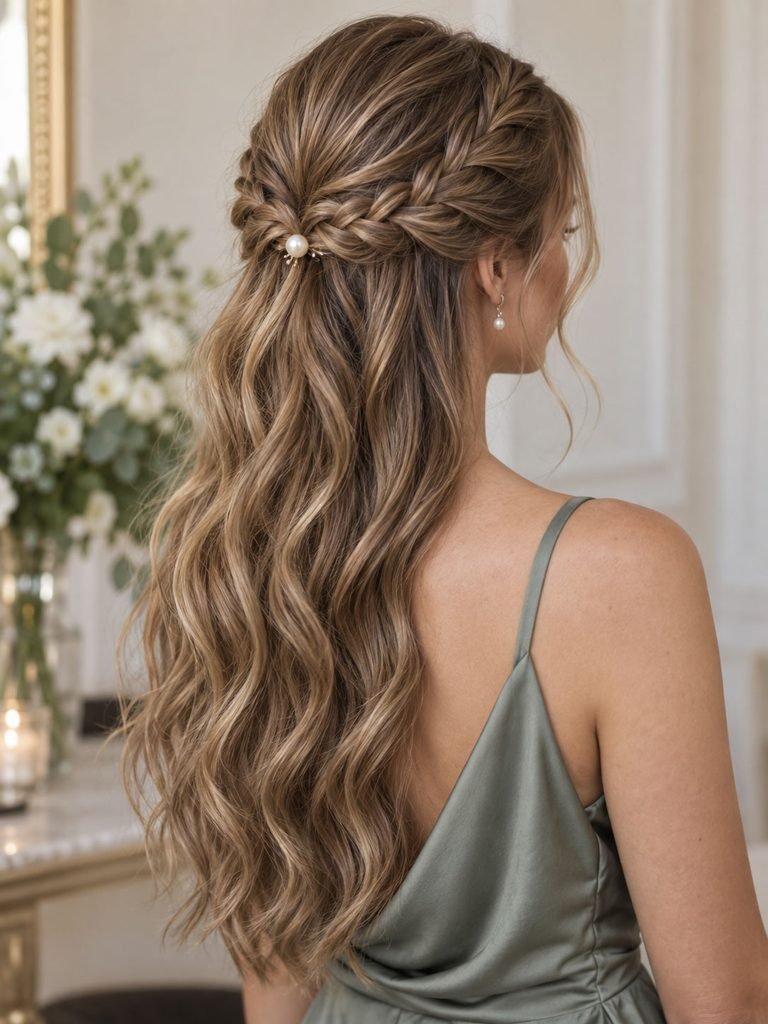
A half-up braid works when you want visible length without having hair constantly falling forward. It is less structured than a full updo, which makes it useful for wedding guests, graduation, prom, and dressy daytime events.
The most wearable version uses enough hair from each side to create a braid that looks intentional from the back without taking so much hair that the loose section becomes thin. Straight, wavy, and curly textures can all work. The loose portion can keep its natural texture rather than being curled into a uniform pattern.
This is also a practical choice when shorter front layers do not reach a full updo. Leave the shortest pieces out deliberately instead of forcing them backward with more tension.
3. Side fishtail braid
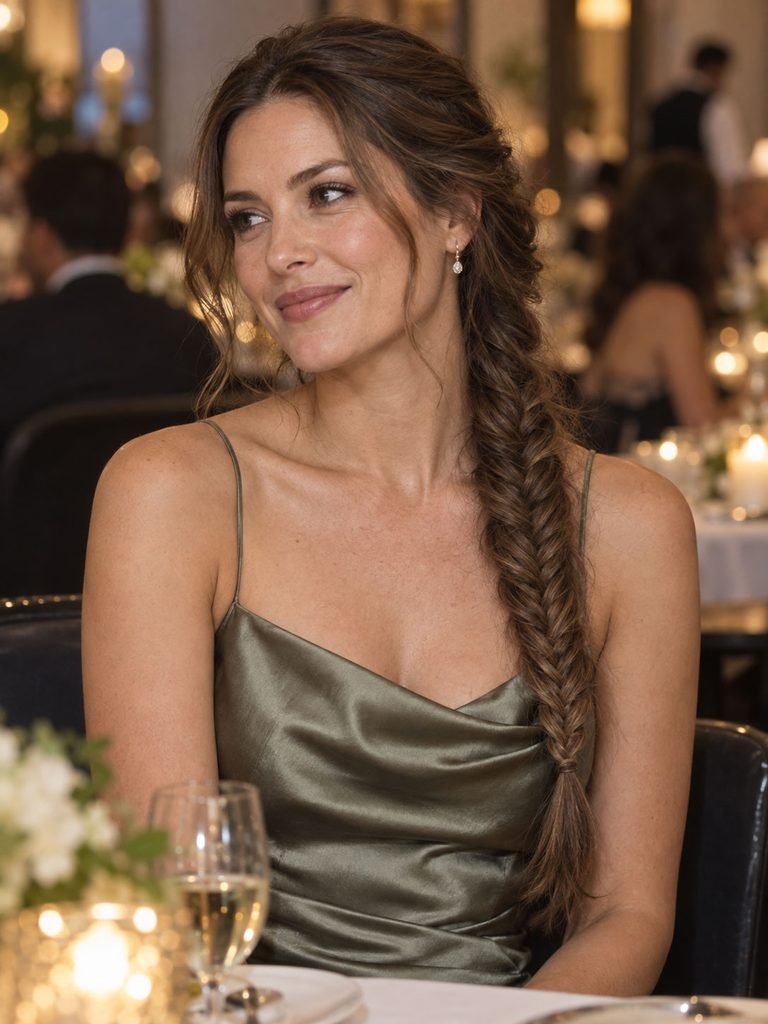
A fishtail creates more visible detail than a basic three strand braid without needing an elaborate updo. Worn over one shoulder, it works well for cocktail events, formal dinners, and weddings where the outfit can support a softer silhouette.
Long hair gives the woven pattern enough room to show. Fine or very smooth hair can also wear a fishtail, but the small sections may slide more easily. Secure the braid before gently widening the outer edges.
Heavily layered hair is the main limitation. Short pieces may escape through the length, so a lower starting point or a half-up fishtail can be easier than trying to contain every layer.
4. Crown braid
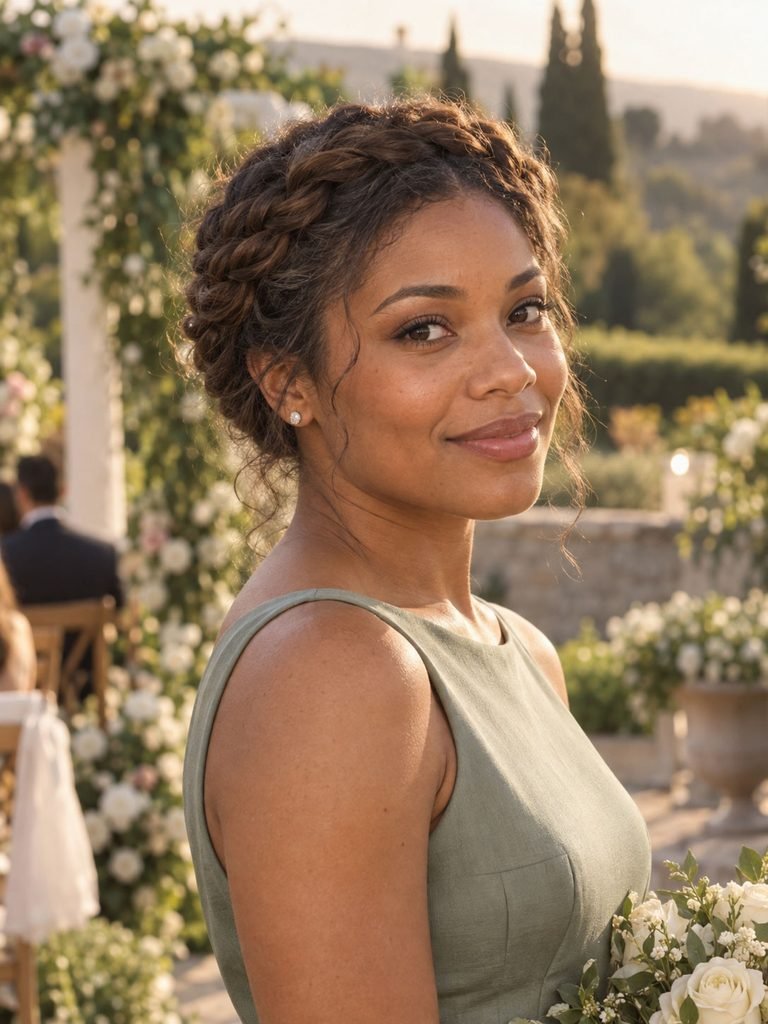
A crown braid creates a complete hairstyle from every angle and keeps most of the length away from the shoulders. That makes it useful for ceremonies, formal daytime celebrations, and outfits where the neckline or back deserves to remain visible.
The style is easiest when the hair has enough length to travel around the head or when two braids can be pinned across one another to create the same effect. Short layers around the temples may need small pins or may look better left softly outside the braid.
A crown braid does not need to be pulled tightly against the scalp. The shape comes from placement and pinning, not from making the hairline feel rigid.
5. Dutch braid into a low bun
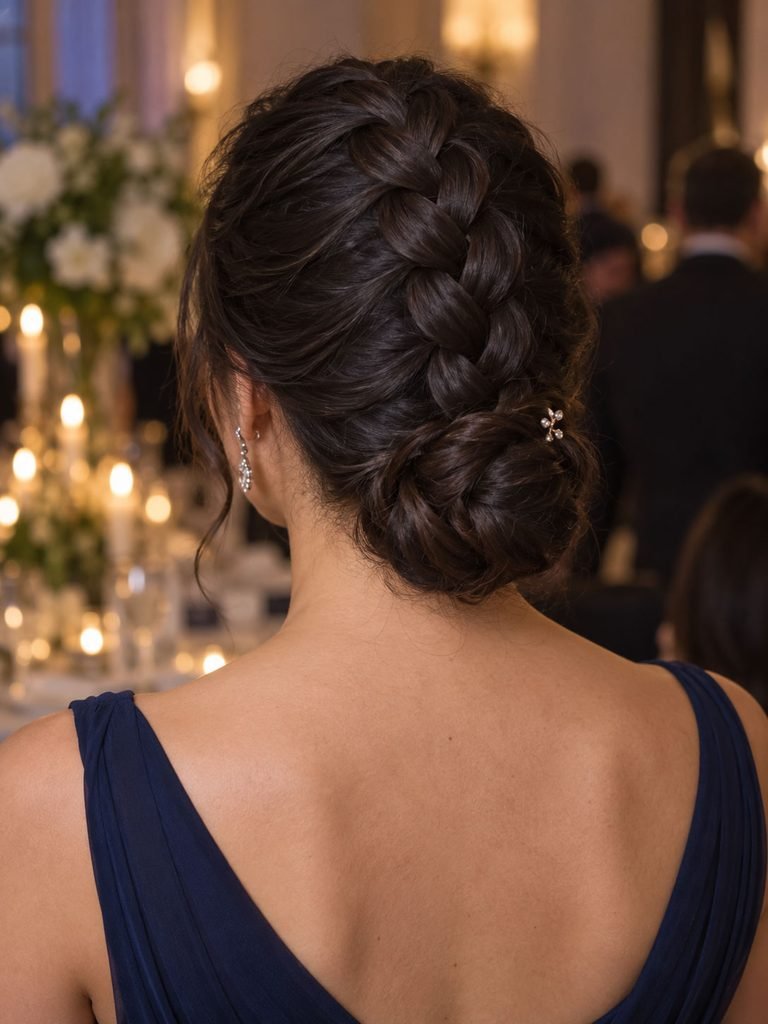
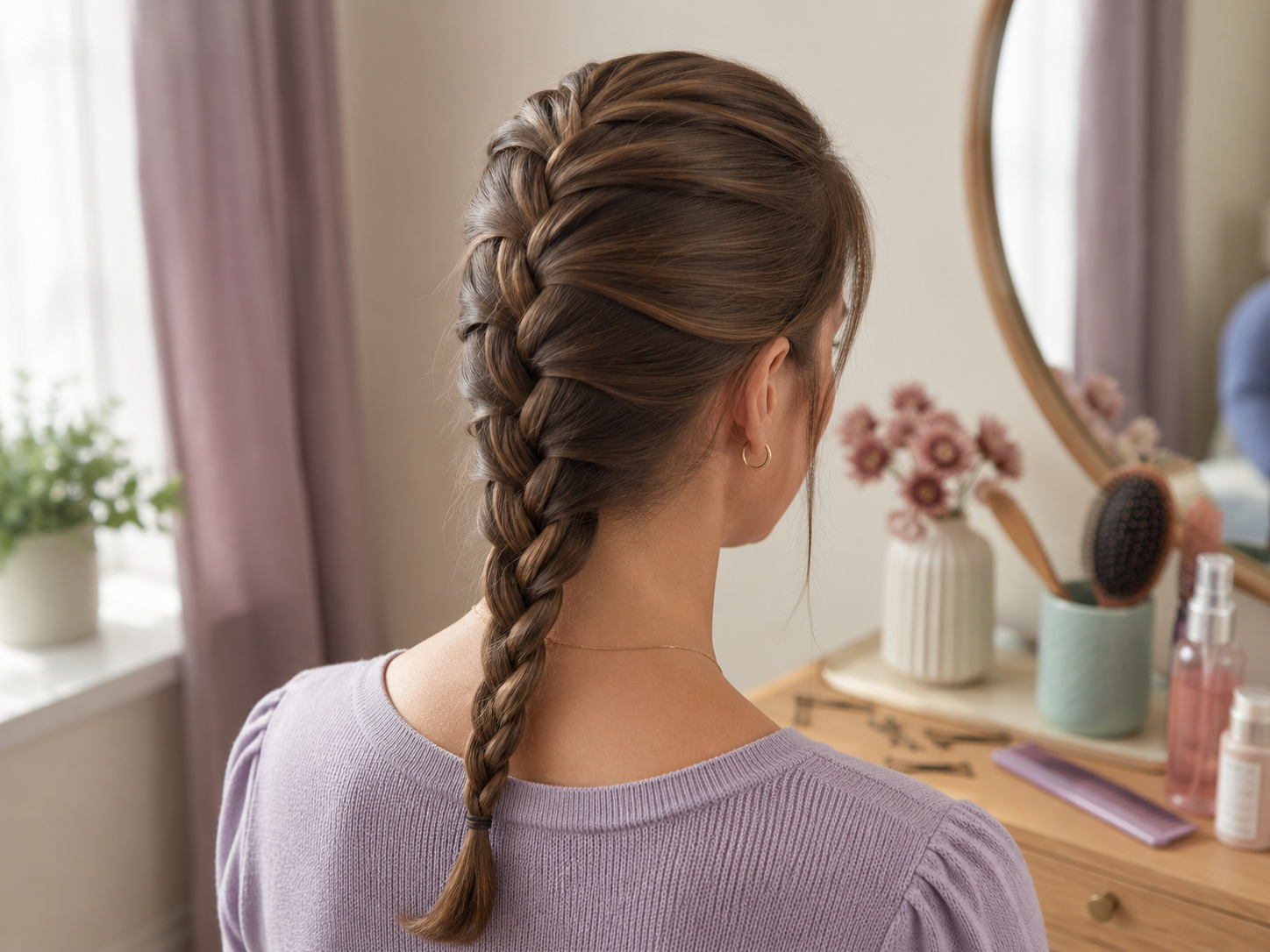
A Dutch braid gives more visible structure because the woven section sits above the surrounding hair. Bringing that braid into a low bun turns a sporty braid pattern into something appropriate for prom, a formal dinner, or an evening wedding.
This style is especially effective on hair with enough density for the raised pattern to remain visible. The braid can also be widened slightly after it is secured if you want a softer finish.
The tradeoff is skill. If you are not comfortable adding sections while braiding close to the scalp, this is one of the styles worth practicing before the event or handing to a stylist. A rushed first attempt often becomes tighter without becoming neater.
6. Waterfall braid with curls
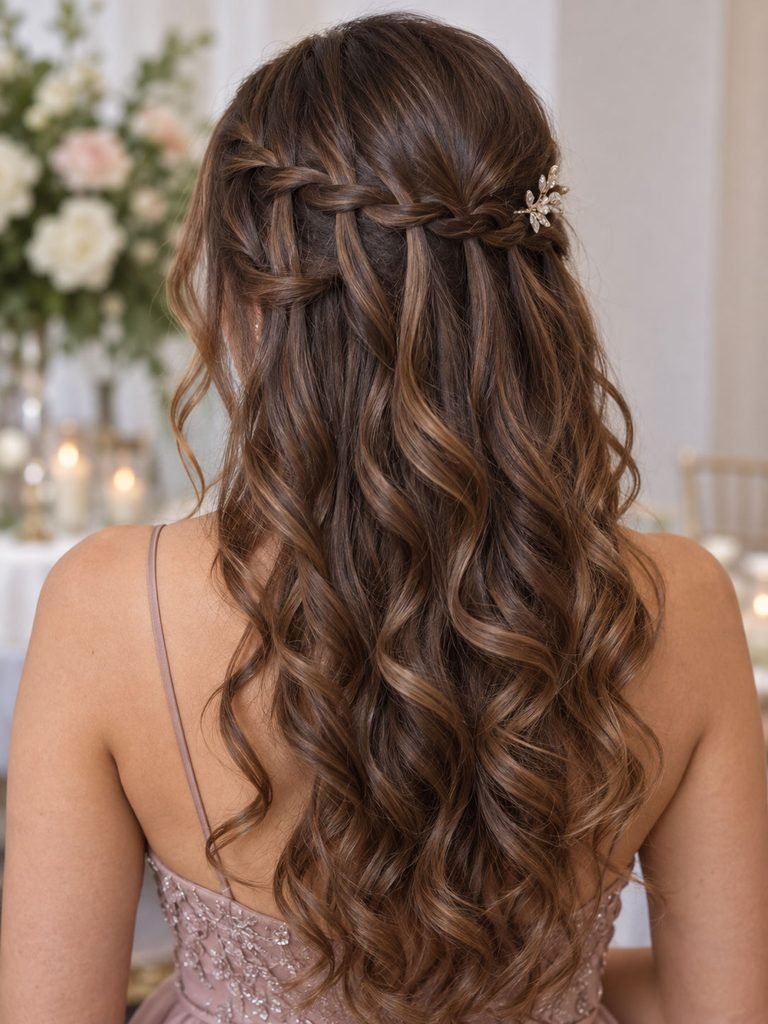
A waterfall braid is useful when the braid should be a detail rather than the entire hairstyle. The woven section travels across the back of the head while selected pieces fall through it, leaving most of the length loose.
That makes it a natural match for prom, wedding guest hair, and celebrations where you want movement. Medium and long hair provide the clearest pattern. The loose lengths can remain naturally wavy or curly instead of being heat styled.
If you do use a curling iron or flat iron to finish the loose hair, keep the heat proportionate. The American Academy of Dermatology recommends using hot tools on dry hair with lower heat settings and limiting excessive heat exposure. AAD guidance on hair styling without damage
7. Braided ponytail
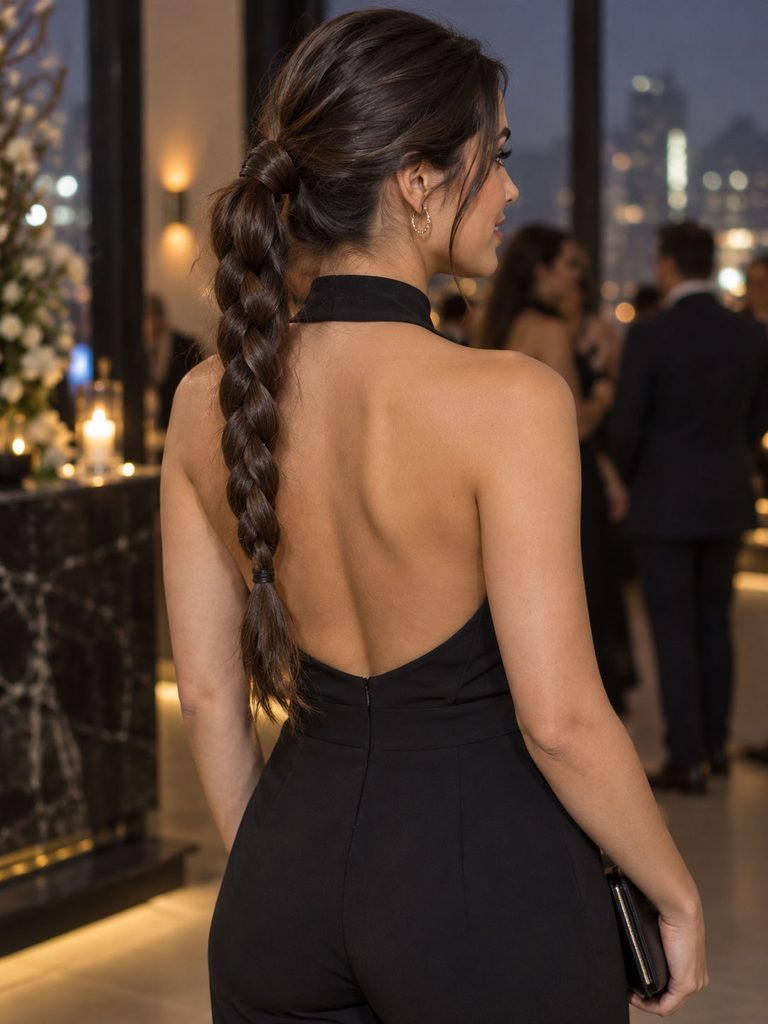
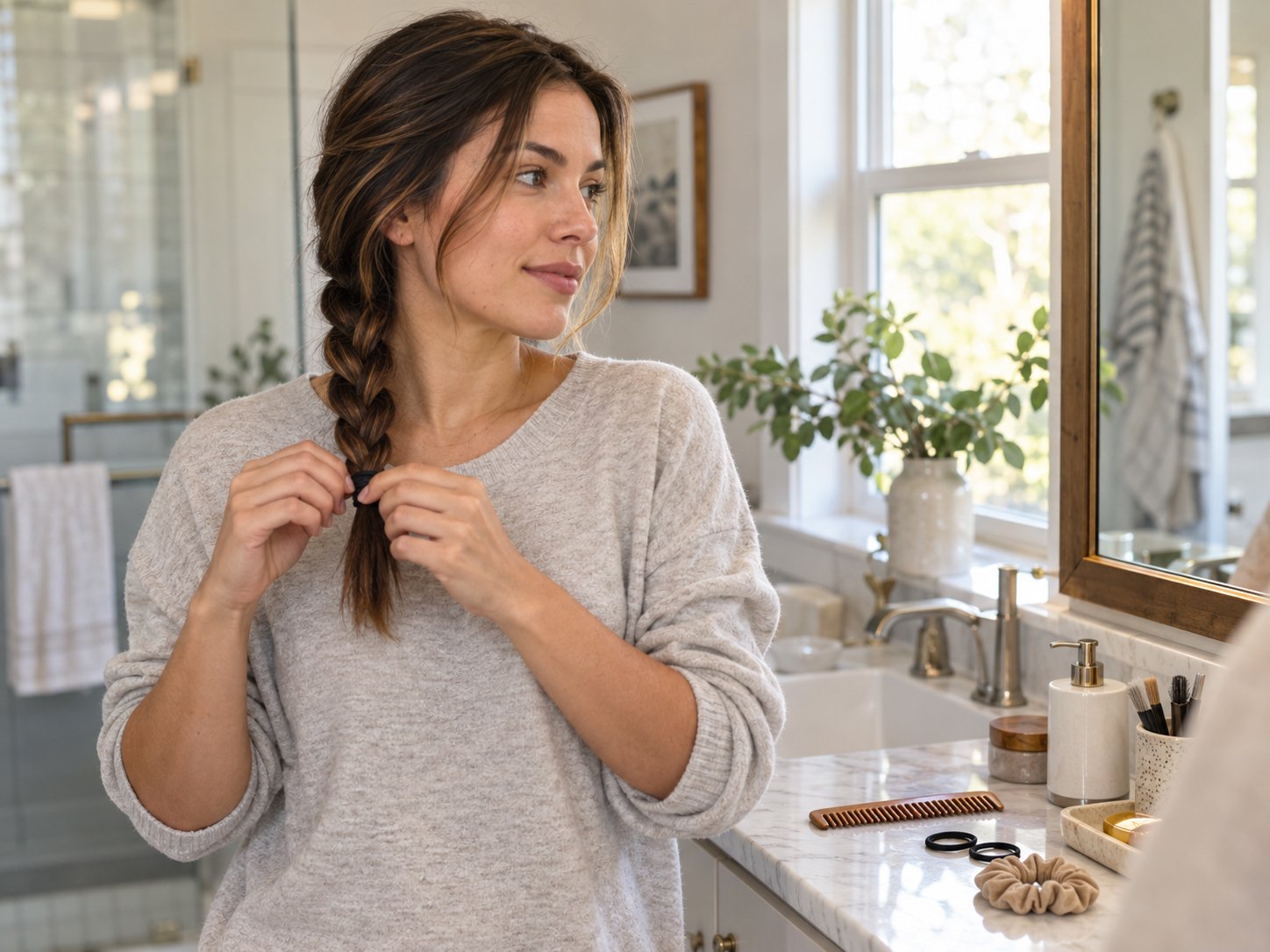
A braided ponytail is one of the simplest ways to make a basic braid feel more deliberate. The base creates a clean silhouette, while braiding the free length keeps the finish from looking like an everyday ponytail.
Mid or low placement is often easier to balance than a very high version, especially when the hair is long or thick. Added length, extensions, or very heavy braids increase the amount of weight carried by the base, so higher is not automatically better.
For a formal finish, cover the elastic with a narrow strand of hair or choose one restrained accessory. The structure is already strong enough that several decorative elements usually are not necessary.
8. Boho braid with loose texture
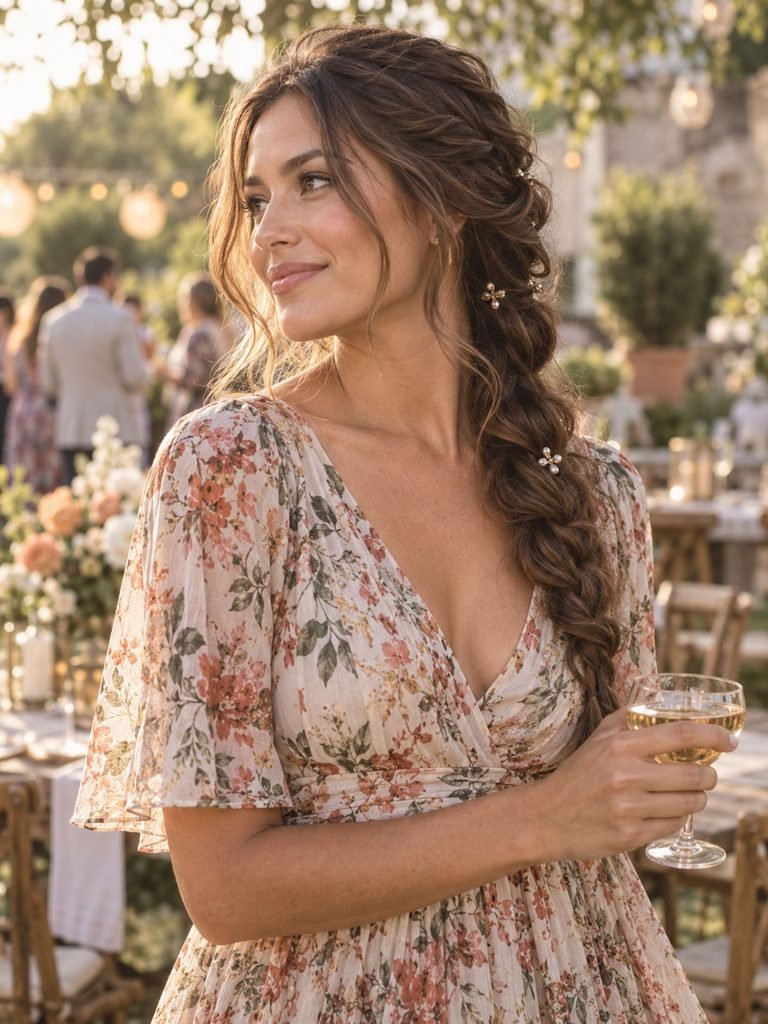
A boho braid is the better choice when a strict polished updo would feel out of place. Garden parties, beach celebrations, outdoor dinners, and relaxed weddings can support a softer braid with visible texture and a few intentionally loose pieces.
The word “loose” should describe the finish, not a braid that is already collapsing. Build a stable structure first, secure it, then soften only the areas where you want movement.
This style also comes with a realistic tradeoff. Loose strands will move more than a sleek updo. If that would bother you after an hour of photos or dancing, choose a half-up braid or low bun instead.
9. Box braids gathered into a low or mid bun
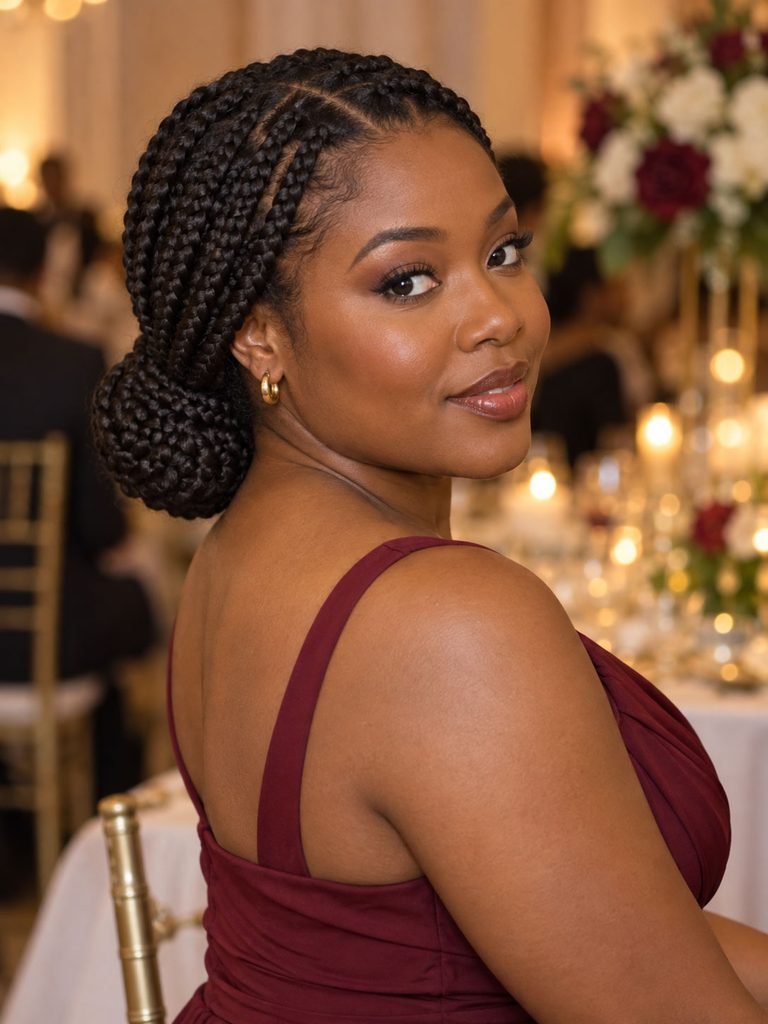
Already installed box braids can be restyled for an event without changing the entire braid set. A low or mid bun, half-up arrangement, or restrained ponytail can shift the silhouette enough to work with formal clothes and jewelry.
Weight matters more here than it does with a small braid made from loose hair. Very long or heavily extended braids can make a high compact bun uncomfortable. A broader lower bun distributes the shape differently and may be easier to wear.
Box braids should not be treated as automatically beneficial for hair health. The American Academy of Dermatology advises that braids, cornrows, and weaves should not be installed so tightly that they hurt. AAD guidance for everyday Black hair care
10. Cornrows into a low ponytail or bun
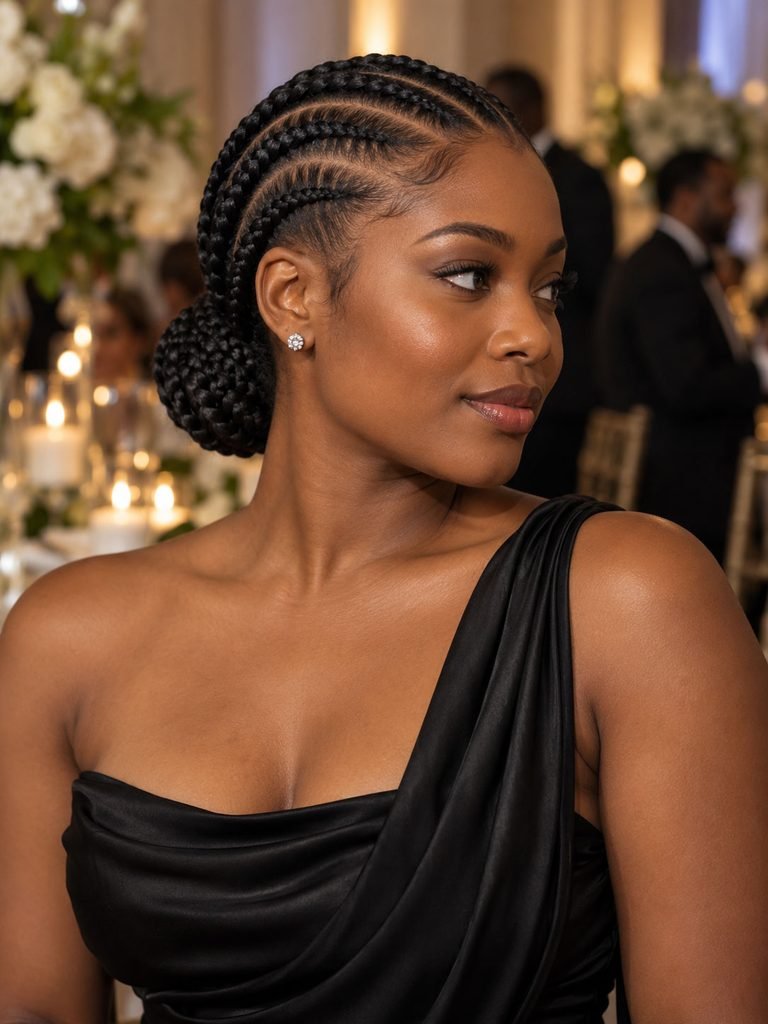
Cornrows already create visible lines and structure, so the event styling does not need to become complicated. Directing the length into a low ponytail or bun can create a formal silhouette while keeping the braid pattern visible.
The neatest result is not necessarily the tightest one. Do not use the event as a reason to pull the hairline harder, add another tight elastic, or force every short edge into the style.
A simple pair of earrings or one small decorative detail usually gives the finished braid pattern enough space to remain the focal point.
Keep the style secure without making it tighter
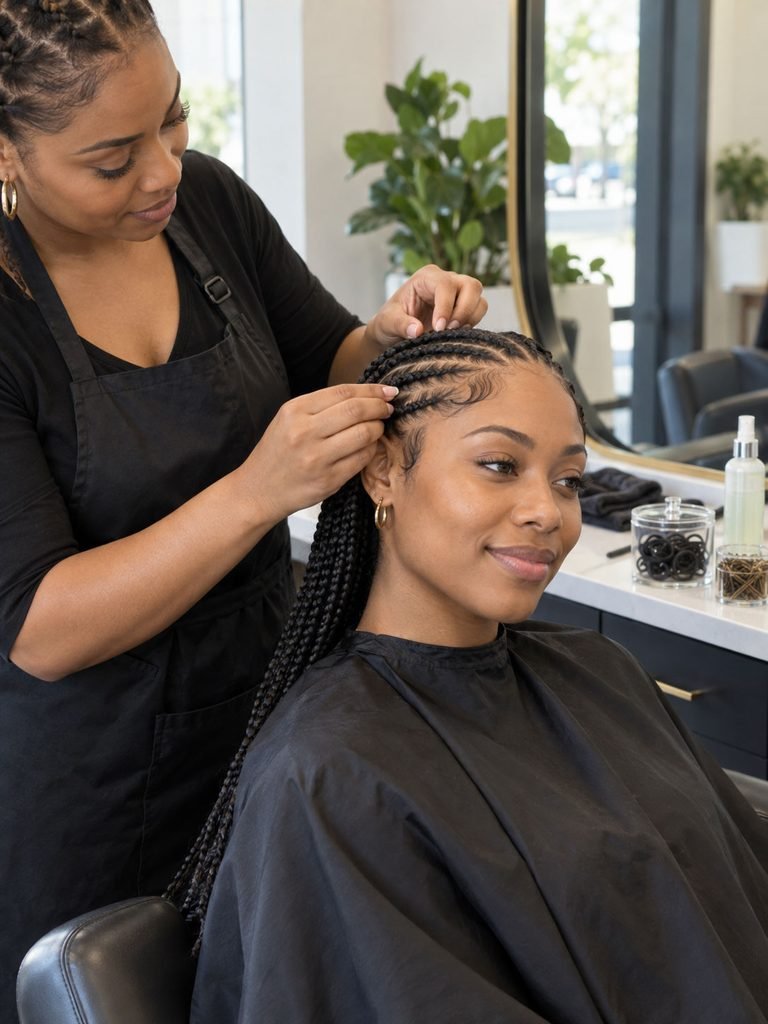
Hold comes from structure, preparation, and pin placement. Pain is not proof that an event hairstyle will last longer.
Start with detangled hair in the condition that works for your texture. Smooth hair may need a small amount of grip product. Curly or coily hair may be easier to work with according to its normal detangling and styling routine. Avoid automatically stacking mousse, texture spray, dry shampoo, cream, and firm hairspray when one product would solve the problem.
For fine hair that repeatedly slips out of braids, Femorias’ guide to braiding fine, slippery hair so it stays put explains how to use smaller sections, close hand placement, and controlled widening without solving every problem with more tension.
Repeated pulling from tight braids, cornrows, buns, ponytails, and extensions can contribute to traction alopecia. The American Academy of Dermatology advises loosening styles that pull, particularly around the hairline, and notes that a hairstyle that hurts is too tight. AAD guidance on hairstyles that pull
If you notice persistent pain, stinging, scalp changes, or new thinning, remove or loosen the style. Hair loss and persistent scalp symptoms belong with a qualified medical professional rather than an event styling fix.
Questions about braided hairstyles for special occasions
Which braid works best for a very formal event?
A low braided bun, Dutch braid into a low bun, crown braid, or polished braided ponytail usually gives the most structured silhouette. Choose among them according to your hair length, outfit, and comfort rather than assuming one style is universally more formal.
Can short hair work with a special occasion braid?
Yes, if there is enough length to create an accent braid or small half-up section. A full fishtail or wraparound crown usually needs more working length. For shorter hair, a side braid, braided front section, or small half-up braid may be more realistic.
Should hair be freshly washed before braiding?
There is no universal rule that event braids require “dirty” hair. Work with the condition of your hair. Very smooth freshly washed hair may need a small amount of lightweight grip, while textured hair may already have enough structure without extra product.
Can box braids or cornrows look formal enough for a wedding?
Yes. The formality comes from the finished shape, proportions, accessories, and how the style works with the outfit. A low bun, controlled ponytail, or half-up arrangement can make already installed braids feel deliberate without requiring a new installation.
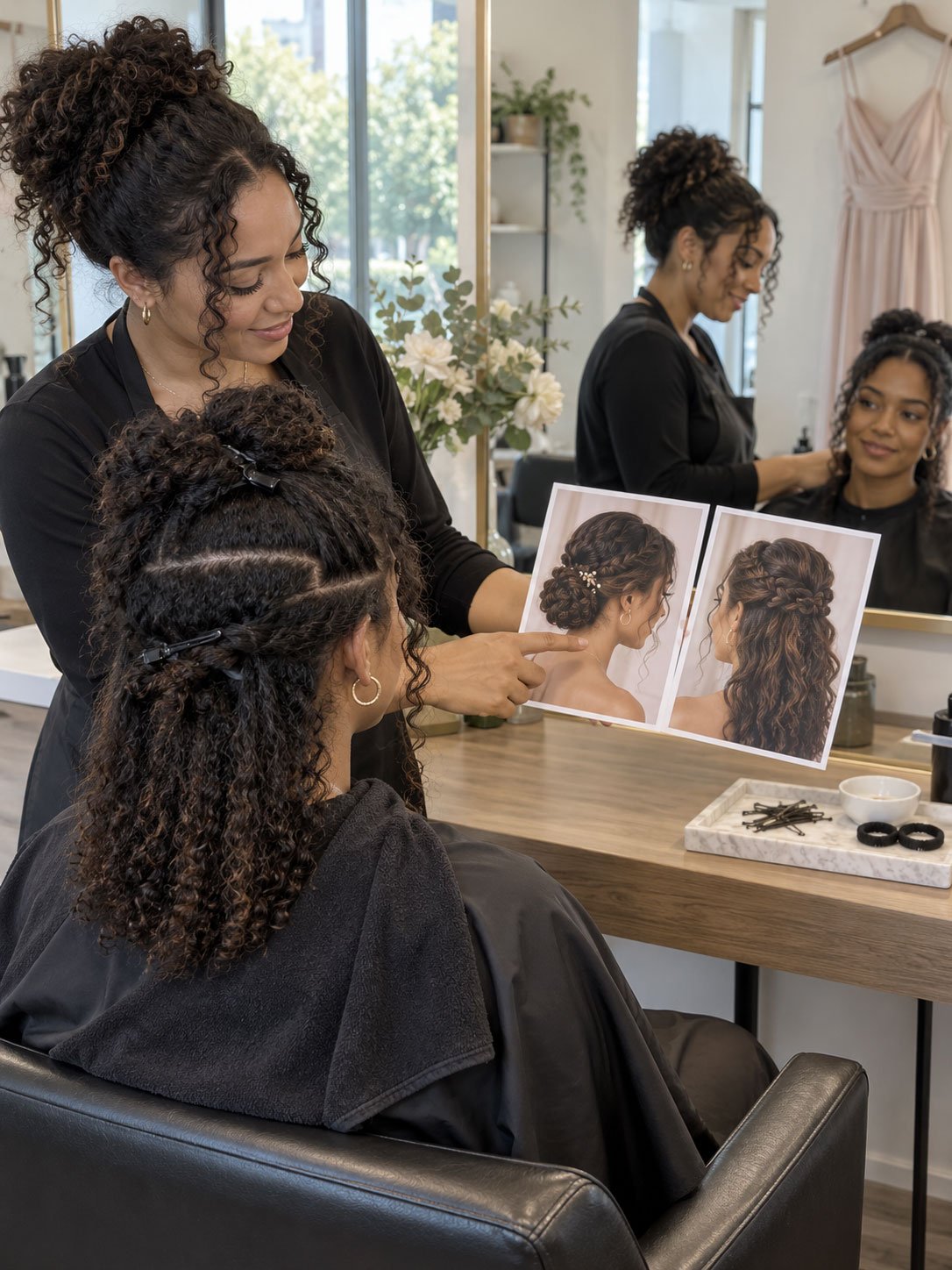
Do I need a hairstylist for a formal braid?
Not for every style. A braided ponytail, low braided bun, or simple half-up braid can be realistic at home if the underlying braid technique is familiar. Crown braids, waterfall braids, complex Dutch sections, and formal restyling of very long or heavy braids may be easier with professional help.
If you are choosing between two looks, start with the one your hair can support comfortably today. A slightly simpler braid that fits your length, texture, and skill level usually looks more intentional than an elaborate style that needs constant tightening or repair.