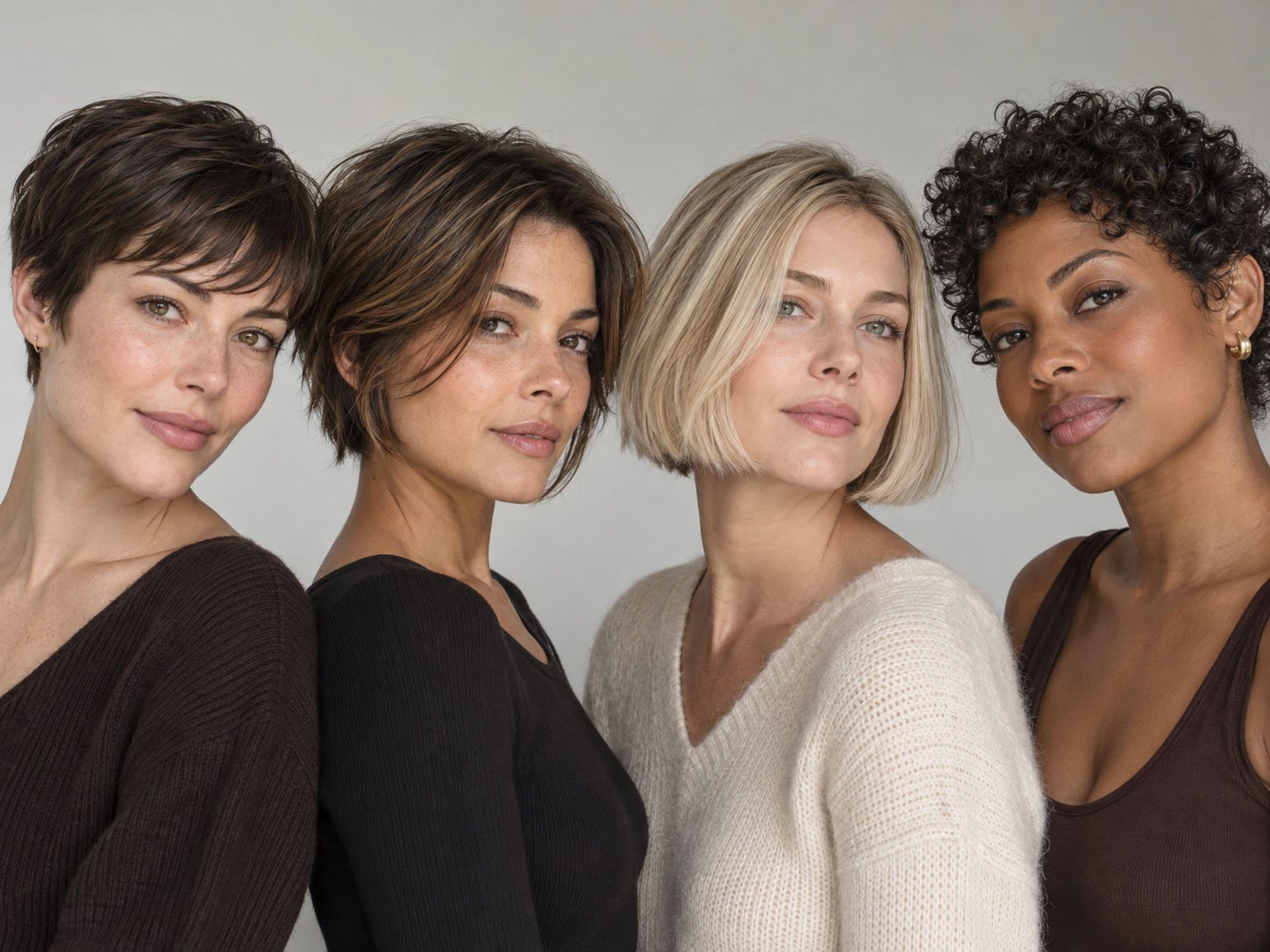

12 Short Hairstyles Trending in 2026, From Bixies to Boy Bobs

Short hair in 2026 is not one look. The strongest current trend is variety within a few clear haircut families: blunt bobs, softer bobs, bixies, relaxed pixies, grown out crops, and short shapes designed around natural texture. Current stylist led coverage repeatedly returns to those themes rather than one universal cut.
The useful question is not simply which cut is popular. Look at where the weight sits, how much layering creates the shape, what your natural texture will do at that length, and how much styling you actually want to repeat at home. A haircut that looks effortless after a professional finish may behave very differently after your normal wash day.
The 12 short hairstyles to know in 2026
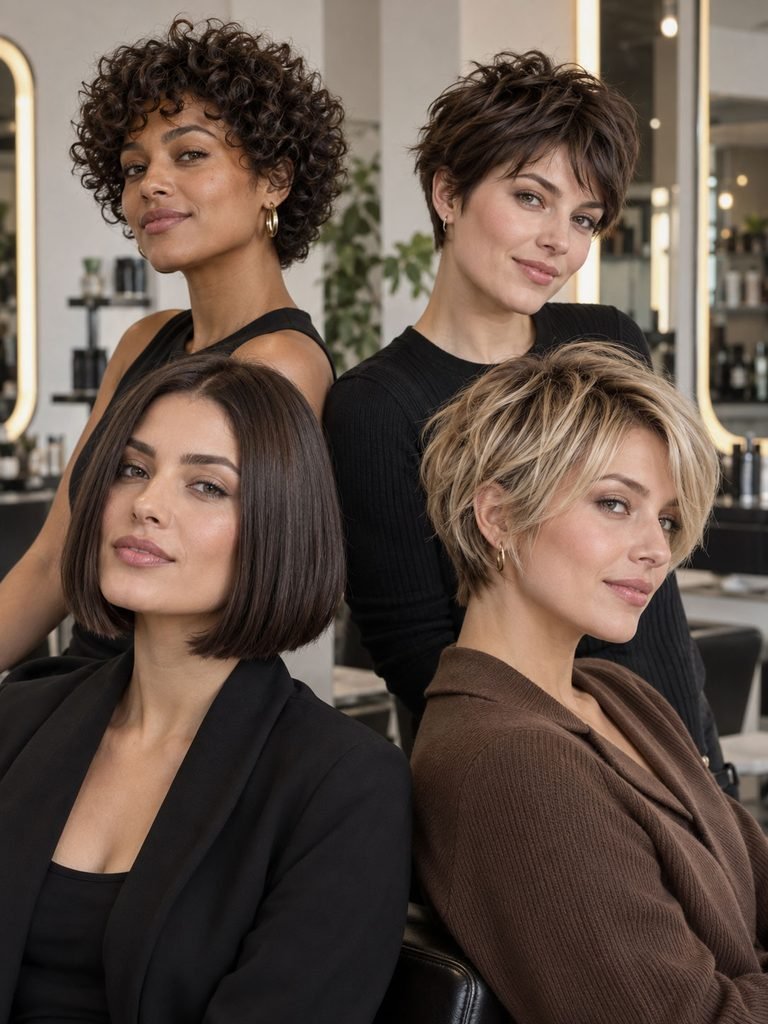
These 12 styles capture the clearest directions showing up across current short hair coverage. Some are new names for familiar haircut structures. Others genuinely change the silhouette. That distinction matters when you are choosing a reference.
- Boy bob: A blunt, weighty bob around the jaw with very little layering and an intentionally relaxed finish.
- Bixie: A bob and pixie hybrid with more layering through the crown and enough perimeter length to tuck, sweep, or tousle.
- Scandi bob: A clean bob with a strong outside line, minimal layering, and an understated finish that does not rely on big root volume.
- Italian bob: A fuller bob with movement and visible weight through the ends. It usually looks more rounded and styled than the Scandi version.
- French bob: A shorter bob around the cheekbones or jaw, often worn with soft texture or fringe.
- Curtain crop: A grown out short crop with a center part or curtain shaped front that gives the haircut a softer, more relaxed outline.
- Soft pixie: A close short cut with gentler edges and enough length around the front to avoid a rigid silhouette.
- Shixie: A shag influenced pixie with choppier layers, movement, and a deliberately less polished outline.
- Grown out pixie: A deliberately longer pixie with extra length around the ears, front, and nape.
- Curly sculpted pixie: A short cut designed around curl or coil pattern, often with controlled sides and more volume through the top.
- Curly baby bob: A compact bob around the jaw that keeps enough weight to create a strong curly outline.
- Bowl fringe crop: A modern short crop built around a rounded, graphic fringe. The truest bowl effect is easiest to read on straighter texture, while curls create a softer interpretation. Current Allure coverage specifically identified bowl bangs as part of the 2026 fringe revival.
The bob family is splitting into distinct shapes
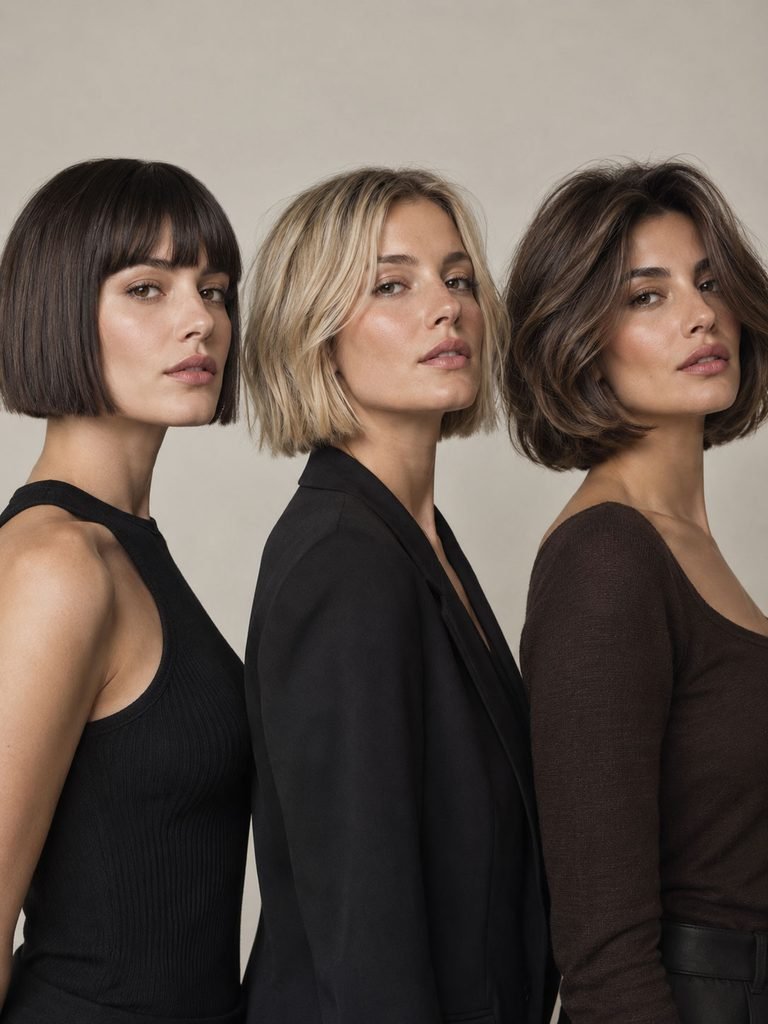
The biggest mistake with 2026 bob references is assuming every new name means a completely different haircut. The visual differences often come from a few structural decisions: length, how solid the perimeter remains, how much internal weight comes out, and how the finished hair is styled.
The boy bob is the cleanest place to see this. The defining brief is a blunt, one length shape that sits around the jaw or just below it, with very little layering. Current boy bob guidance from ELLE describes the same heavy perimeter and intentionally uncomplicated finish. That makes it a strong reference if you want a short bob that still looks deliberate without needing obvious curls or a large blowout.
The tradeoff is that a strong blunt line shows its shape clearly. If your hair bends differently on each side, expands significantly as it dries, or has a strong growth pattern around the neck, the stylist may need to adjust the exact length or remove some weight internally.
The Scandi bob also depends on a clear perimeter, but the overall impression is softer and less formal. It should not automatically be translated as an airy, heavily layered bob. Current Vogue coverage of the Scandi bob describes a clean blunt shape with relatively little layering and weight concentrated near the ends. On curls or coils, internal adjustment can help the silhouette sit properly without changing the basic idea of a strong exterior shape.
The Italian bob moves in the opposite direction. It favors visible fullness, bounce, and movement through the ends. Current Harper’s Bazaar reporting places it around the chin or jaw and emphasizes volume and softness rather than a flat, graphic finish. It can be adapted to different textures, so it should not be reserved automatically for thick hair.
The French bob is the shorter, more compact option. It normally lands somewhere from the cheek area to the jaw and often includes soft fringe or visible natural texture. The cut should still be customized around the way your hair expands or contracts when dry rather than copied at one exact measurement. Current 2026 coverage continues to treat it as a major short bob direction.
The curly baby bob uses another version of the same principle. Instead of creating many short layers, the stylist can preserve a substantial outline so the curls form a compact, readable shape. Marie Claire’s 2026 short hair reporting highlights a jaw level curly baby bob with minimal layering as one of the year’s distinct short silhouettes.
A separate “jaw length blunt cut” does not need to be treated as a thirteenth trend. It is the structural idea behind several of these bobs. The useful decision is whether you want that strong line to look minimalist, relaxed, voluminous, very short, or shaped around curls.
Pixies are softer, longer, and easier to personalize
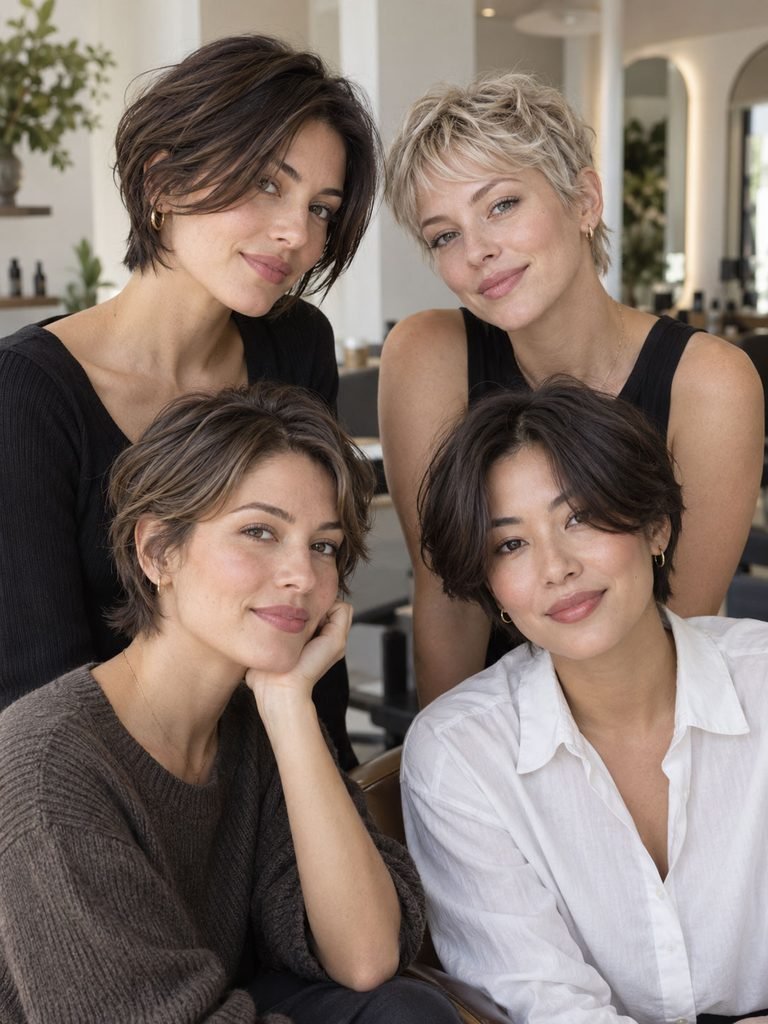
The bixie remains one of the clearest 2026 short hair trends. Allure described it as a bob and pixie hybrid with the shortness of a pixie but more length around the perimeter. That extra length is what gives the cut room to be tousled, tucked, or styled more smoothly.
A bixie should not automatically be sold as the easiest or safest short haircut. Layering through the crown can create movement, but it also changes where visual weight remains. On fine hair, that tradeoff matters considerably. The Femorias guide to a bixie haircut for fine hair explains why protecting enough perimeter weight can matter more than simply requesting extra layers.
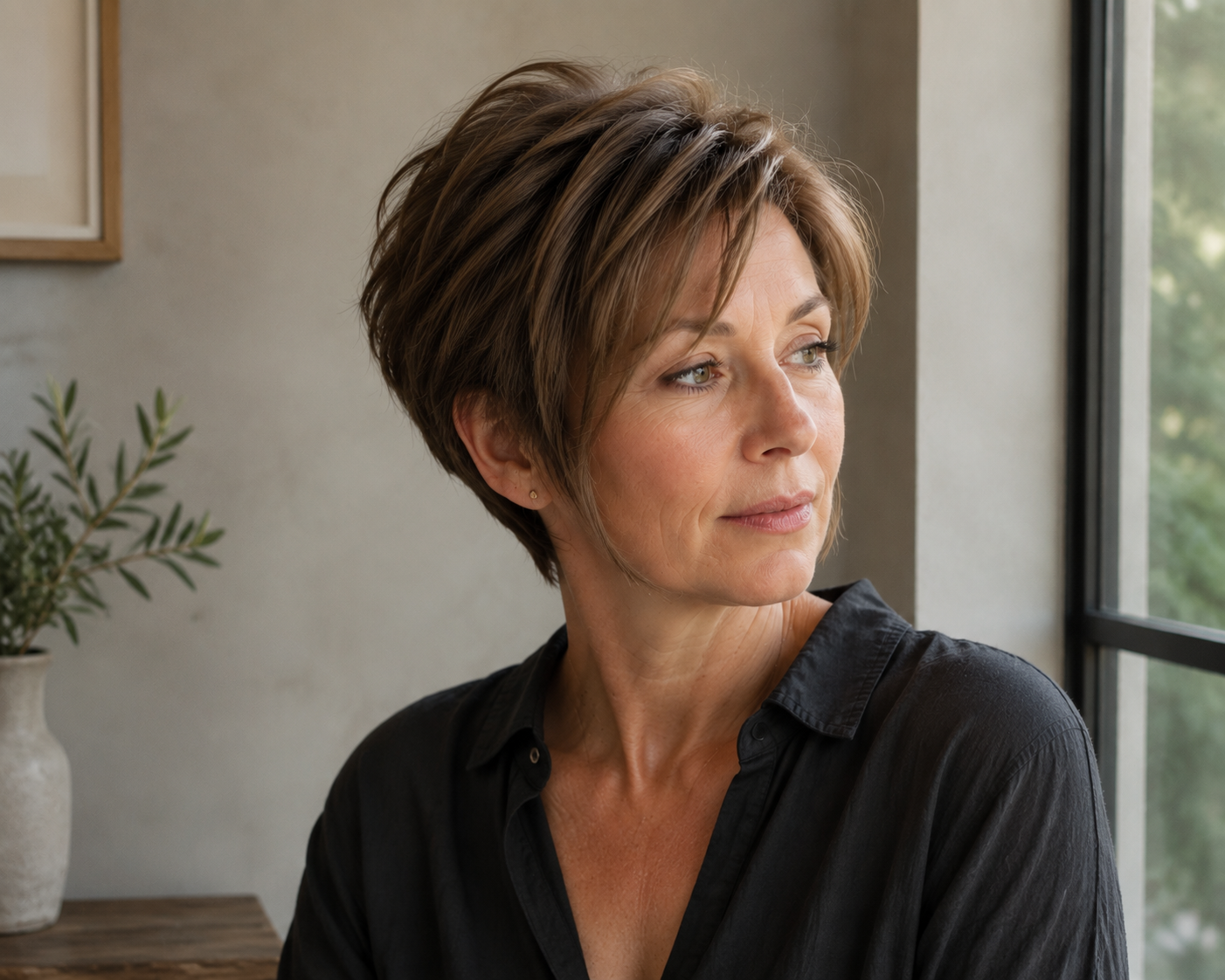
The soft pixie takes the classic crop and reduces the hard edges. Current 2026 stylist coverage repeatedly favors pixies with softer movement, face framing length, and less severe outlines. The exact amount of fringe and crown length can be adjusted without losing the basic short silhouette.
The grown out pixie is useful for someone who wants short hair without maintaining the most cropped version. More length around the ears and nape creates styling options and can make the transition toward a bob intentional. Current spring 2026 stylist coverage specifically identifies the grown out pixie as a trend rather than merely an awkward stage.
The curtain crop pushes that relaxed direction further. By September, current Vogue coverage of the curtain crop was describing a grown out, center parted crop as a heavily requested fall shape. It sits in the territory between a long pixie, soft short bob, and early grow out stage. That ambiguity is part of the appeal.
Bring a curtain crop reference only if you actually like the length around the forehead and ears. Those front pieces are doing most of the visual work. Asking for “something like this” without agreeing on where the shortest front pieces end can produce a very different haircut.
Texture is shaping the cut, not being added afterward
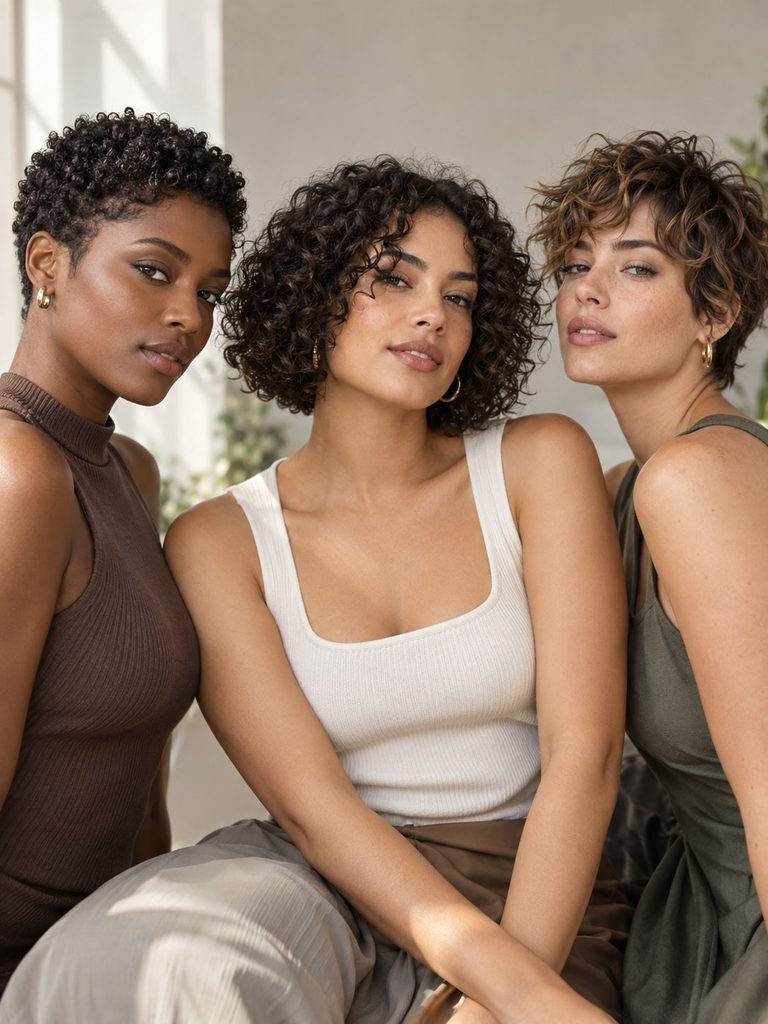
One of the stronger themes in current 2026 short hair coverage is that curly and textured hair is no longer treated as a straight haircut with curl product added afterward. The shape itself is being designed around the natural pattern. Marie Claire includes both a curly sculpted pixie and curly baby bob in its short trend coverage, while Allure’s bixie reporting also discusses how texture changes the result.
The curly sculpted pixie keeps the overall length short while deliberately controlling where volume appears. Some versions stay tighter at the sides and fuller at the crown. Others keep more softness around the temples. What matters is seeing the haircut in your normal curl pattern before deciding the final silhouette.
A curly bixie is best understood as a bixie adapted to curls, not an entirely separate haircut trend. The stylist still has to balance perimeter length against shorter crown pieces, but shrinkage and curl grouping change where those lengths finally sit. A dry finishing check can be useful, but curly hair does not require one identical cutting method in every case.
The shixie, or shaggy pixie, uses more visible layering and separation. It suits someone who wants movement to be obvious rather than hidden inside a clean bob outline. The downside is equally clear: the more the perimeter is broken into separate pieces, the less solid the outside edge will look. That tradeoff matters if retaining visual fullness is your priority. Current 2026 coverage continues to identify shag influenced short pixies as an active trend.
The modern bowl fringe crop is the most graphic option in this group. A full rounded fringe creates the identity. On straight hair the geometry reads very clearly. On curls, the same idea becomes softer and more layered rather than producing a literal smooth bowl line.
Choose by weight, texture, and routine
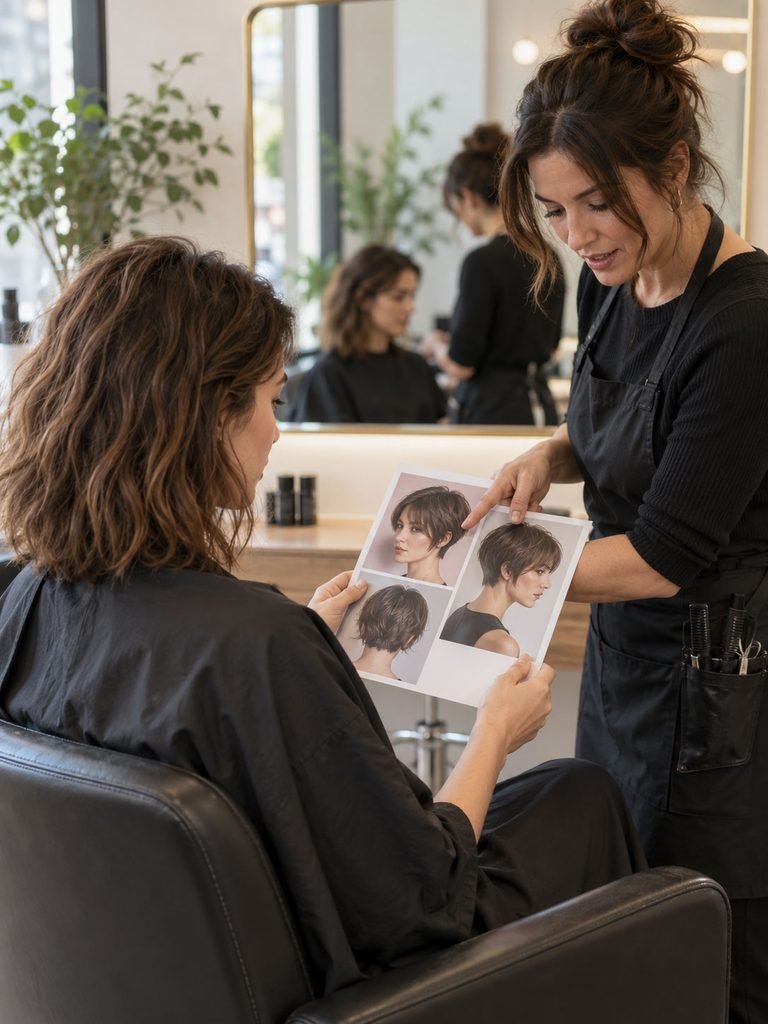
Choose the structure first and the trend name second.
For the strongest outside line, start with the boy bob, Scandi bob, or a compact curly bob. To create movement through the crown and more flexible pieces around the face, consider the bixie, soft pixie, or shixie. For short hair that can gradually grow into a bob without an abrupt transition, look more closely at the grown-out pixie or curtain crop.
Natural texture should change the brief. A reference with pin straight hair cannot show you exactly where a wavy or curly perimeter will finish after drying. Ask where the shortest pieces will sit in your usual texture, not only when the hair is stretched or professionally smoothed.
Face shape can help you compare lengths, but it should not become a set of rigid rules. If cheek width, jaw placement, or crown height is a specific concern, Femorias’ guide to short hairstyles for round faces and soft jaws explores those proportions in more detail. Your hairline, texture, density, styling preference, and reference image still matter.
Fine strands and low density are also different problems. A blunt perimeter can make the ends appear stronger because more hair finishes near the same level. A layered cut can create movement and crown lift while leaving fewer ends in the outside line. Neither choice creates more hair.
If your part has recently widened, your ponytail has noticeably lost fullness, or shedding has changed, treat that as a separate issue from choosing a haircut. The American Academy of Dermatology guidance on causes of hair loss explains that hair loss can have many causes and that identifying the cause matters. A haircut can change how existing density looks, but it cannot determine why density changed.
Finally, decide how much styling you will really do. Do not choose an Italian bob because you love a large round brush finish if you normally air dry and dislike styling. Do not choose a highly separated shixie if what you actually want is a solid, smooth outline. The finish in the reference photograph and the haircut underneath it are not always doing the same job.
What to ask for at the salon
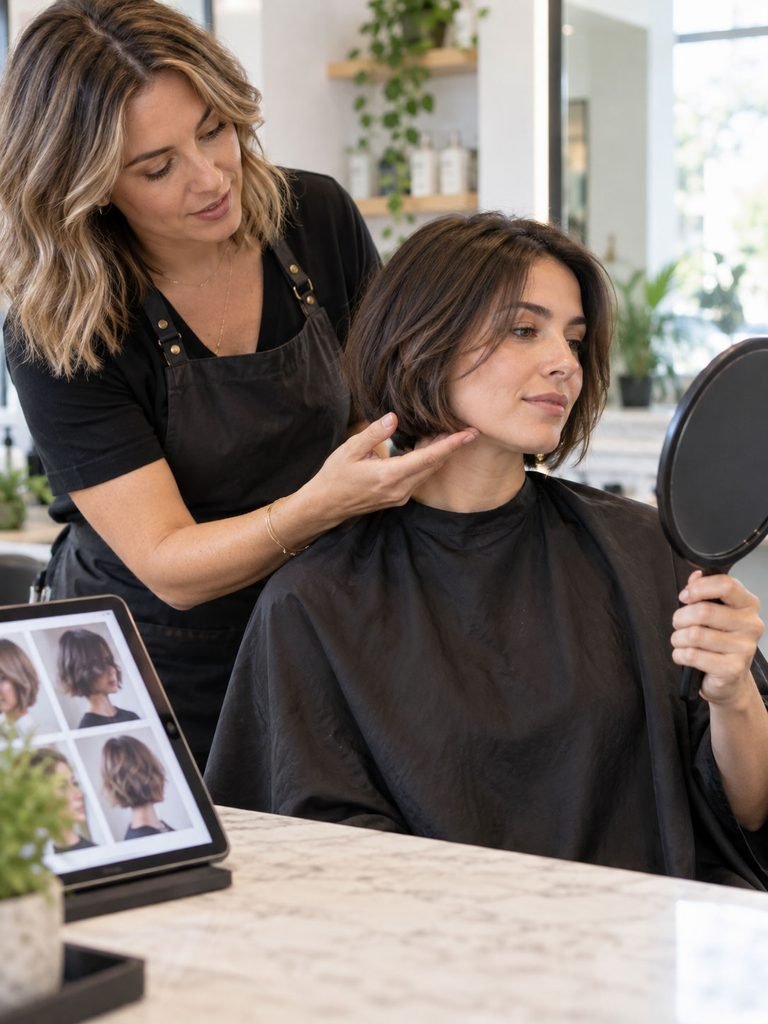
A clear consultation is more useful than memorizing professional cutting vocabulary. Ask questions that expose the structural decisions before the first section comes off.
- Where will the perimeter finish when my hair is dry? A jaw level reference can become visibly shorter when natural wave or curl returns.
- How much layering creates this shape? Ask whether the reference depends on a solid outside line, internal weight removal, short crown layers, or obvious exterior layers.
- What will it look like when I style it normally? If the photograph depends on a large blowout, flat iron, diffuser, or wet finish, find out what remains when you skip that step.
- Which part of this reference needs changing for my texture? A good adaptation should keep the visual idea without forcing every texture into one construction.
- What will lose its shape first as this grows? A blunt bob may lose its clean line. A pixie can gain weight around the ears. A bixie may flatten through the crown. Knowing the likely grow out pattern is more useful than assuming one universal trim schedule.
- How much length must stay for the way I wear my hair? Mention whether you tuck it behind your ears, need some length for clips, wear a headset at work, or want the front completely off your face.
Bring more than one photograph. One image shows what you like. A second image with a slightly different perimeter or fringe can help you explain where your preference ends.
Questions to settle before you go short
Which short hairstyle is easiest to style every day?
There is no single winner for every texture. A boy bob or Scandi bob can require very little daily manipulation when the natural texture already works with the intended shape. A grown out pixie can also be forgiving because its identity does not depend on keeping every line extremely short. A precise cut that fights your natural pattern may require more effort even when it is marketed as low maintenance.
Which short haircut can make fine hair look fuller?
Start by asking whether you mean fine individual strands or reduced overall density. If preserving visual weight at the ends is the priority, a strong perimeter such as a boy bob, Scandi bob, or compact blunt bob can be a useful direction. A bixie can also work on fine hair, but aggressive texturizing can remove too much visual weight.
How often do short haircuts need trimming?
There is no universal four week, six week, or eight week rule. A very precise pixie or blunt bob may show growth sooner because its outline is obvious. A grown out pixie or relaxed crop can tolerate more change. Book a reshape when the haircut stops behaving like the shape you chose, not simply because a generic calendar says it should.
Can curly hair wear a boy bob, Scandi bob, or bixie?
Yes, but you should adapt the silhouette to the curl pattern rather than copy it from a straight-hair reference.. A strong perimeter may need selective internal weight adjustment, and a bixie’s layers need enough room for shrinkage. The finished dry shape matters more than forcing the same cutting formula onto every curl pattern.
Are pixies only flattering at certain ages?
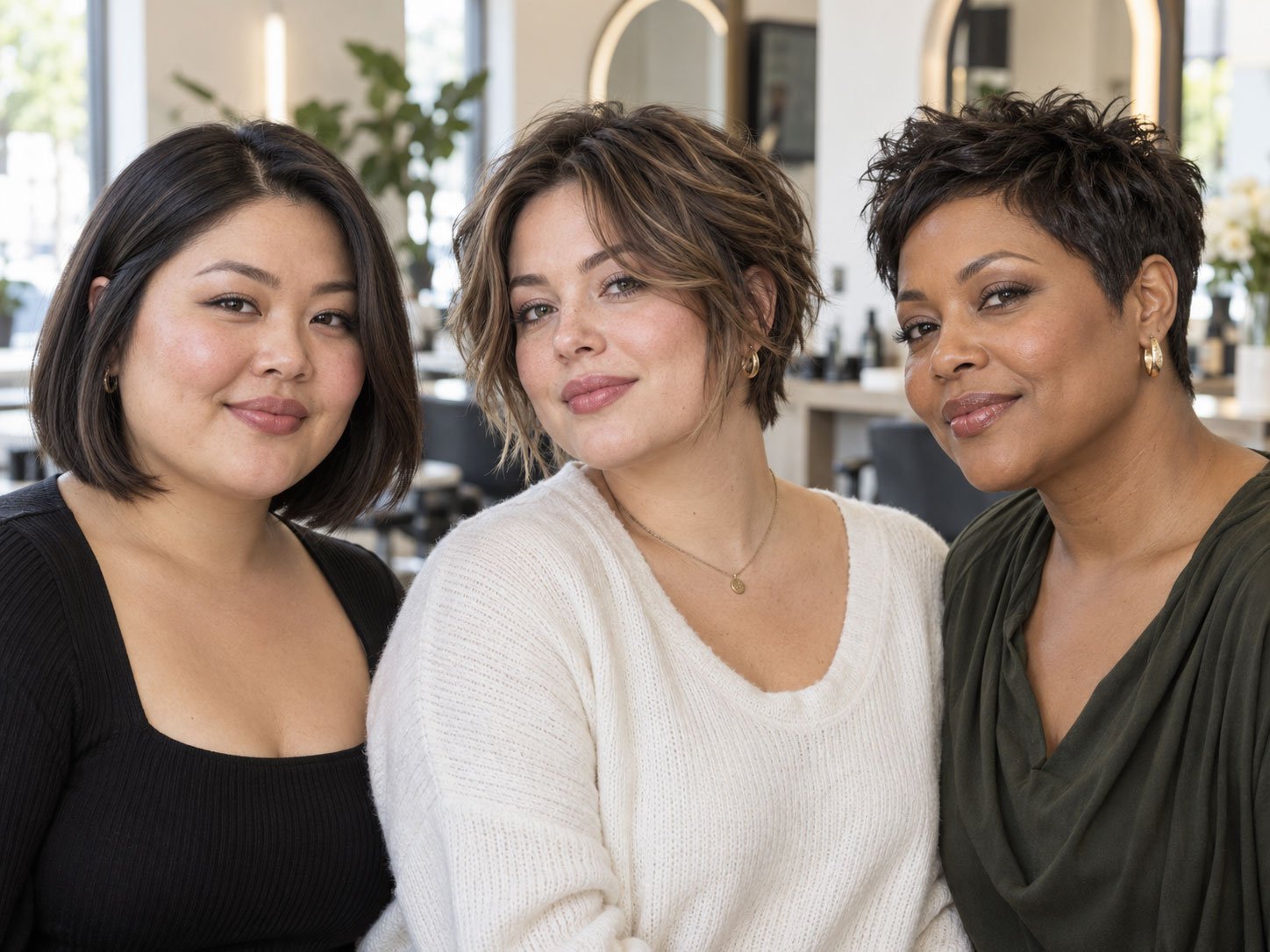
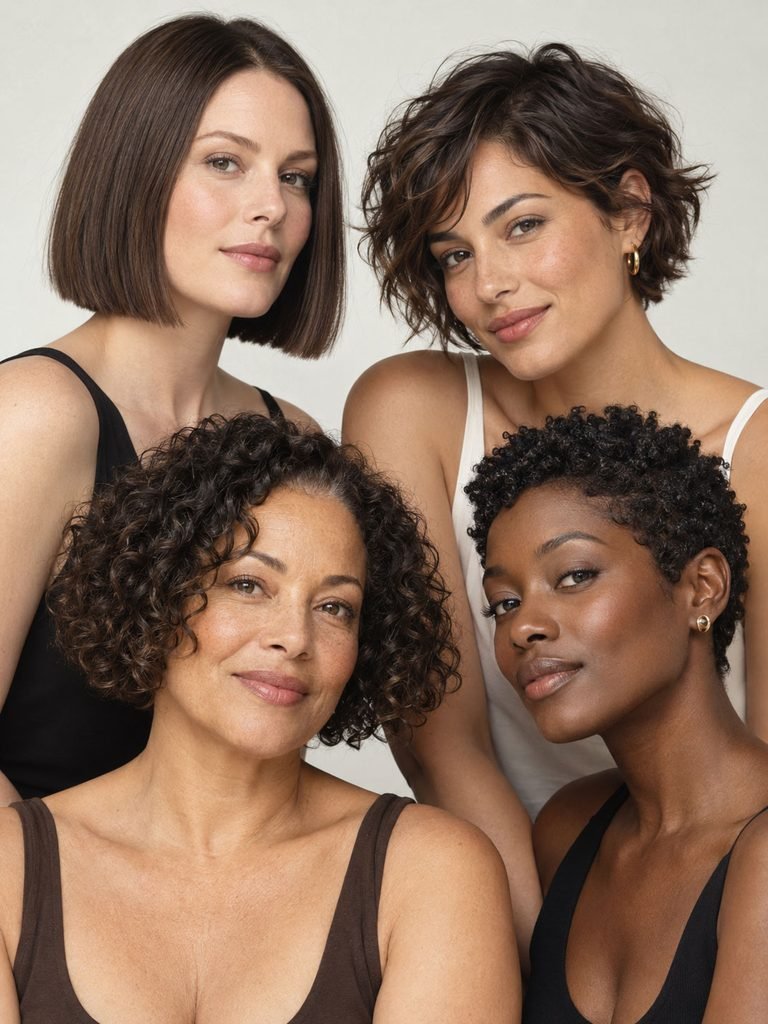
No. Current 2026 coverage shows pixies and short crops across a broad range of ages. A skilled stylist can adjust the length around the fringe, temples, ears, and nape far more precisely than any age rule can predict.
Before the appointment, narrow the list to two cuts. Choose one that represents the silhouette you want and another that clarifies how much fringe, layering, or perimeter weight you are comfortable with. That gives your stylist a far more useful starting point than a trend name on its own.